
Adrammelech
Adrammelech was an Assyrian deity worshipped by the Sepharvite people. (2Ki.17.31)
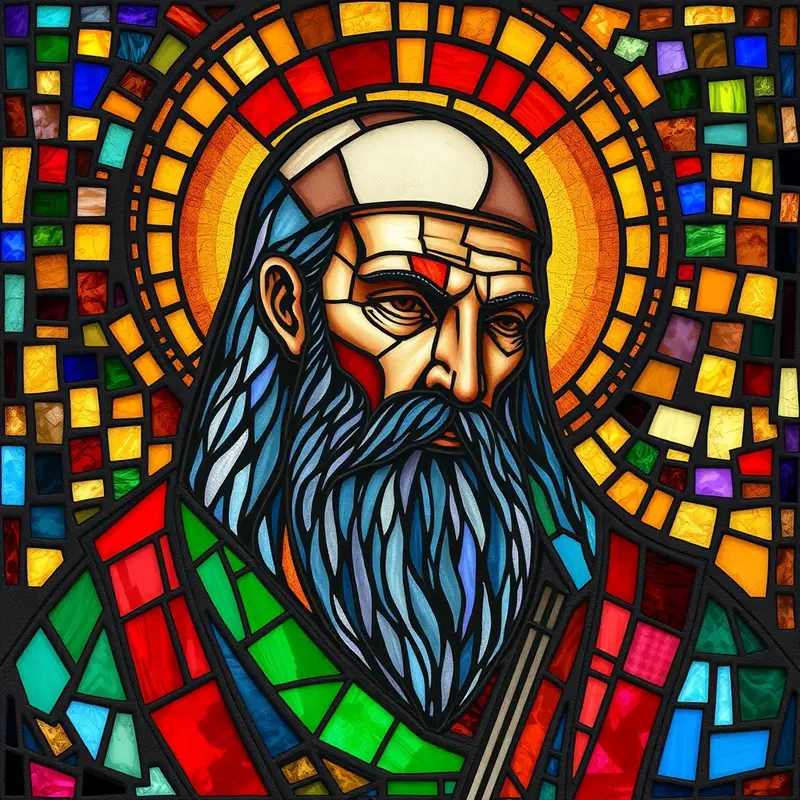
Biography
Adrammelech appears in 2 Kings 17:31 as a deity worshipped by the Sepharvites, a people resettled in Samaria by the Assyrian empire after the deportation of the northern kingdom of Israel. The Sepharvites, brought from the city of Sepharvaim, burned their children in fire as sacrifices to Adrammelech and his companion deity Anammelech. This horrifying practice was part of a syncretic religious landscape that the biblical author condemns as a corruption of the land of Israel. The worship of Adrammelech represents the introduction of foreign cult practices into the sacred inheritance of the northern tribes, an abomination compounded by the fact that these settlers also made cursory use of Yahwistic worship without genuine devotion.
Significance
The worship of Adrammelech in Samaria is presented in 2 Kings 17 as emblematic of the spiritual catastrophe that followed Israel's exile. The chapter is a theological autopsy of the northern kingdom, tracing its fall to sustained covenant violation. The introduction of child sacrifice to foreign deities like Adrammelech into the holy land represented the ultimate inversion of Israelite worship: instead of the God who redeemed children from death (Exodus 13), these peoples offered their children to death. Theologically, Adrammelech functions as a foil to the LORD, a false deity served through destruction rather than the living God known through liberation. The passage warns that religious syncretism, when allowed to develop unchecked, descends into moral atrocity.
Verse Appearances (1)
2Kgs
References
- Orr, J. (ed.) (1915) The International Standard Bible Encyclopedia. Chicago: Howard-Severance Company. [Public Domain]
- Tyndale House, Cambridge (n.d.) Translators Individualised Proper Names with all References (TIPNR). STEPBible. Available at: https://www.stepbible.org. [CC BY 4.0]
- Wikidata contributors (n.d.) Wikidata. Available at: https://www.wikidata.org. [CC0]
- Church of England (1769) The Holy Bible, Authorized (King James) Version. [Public Domain]