
Ahijah
Ahijah, son of Seraiah (or 'Shisha'), served as a scribe during King Solomon's reign. (1Ki.4.3)
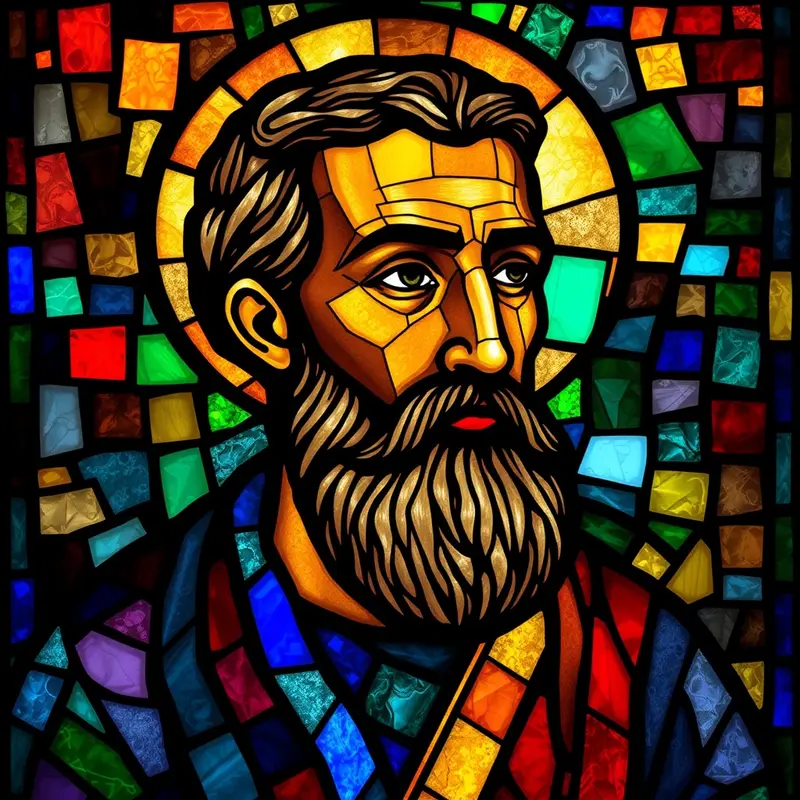
Biography
Ahijah, son of Seraiah (also identified in some manuscripts as son of Shisha), served as a royal scribe during the administration of King Solomon, as recorded in 1 Kings 4:3. He and his brother Elihoreph shared the scribal office, a position of considerable influence in the ancient Near Eastern court. Royal scribes were among the most educated and trusted officials of any monarchy, responsible for drafting royal decrees, recording administrative decisions, managing correspondence, and preserving official records. Their work was essential to the functioning of a complex imperial administration like Solomon's, which oversaw extensive trade networks, diplomatic relations, and a massive building program. Ahijah's service in this capacity reflects the high level of literary and administrative culture that developed in Israel during the golden age of Solomon's reign.
Significance
Ahijah the scribe represents the intellectual and administrative infrastructure that God permitted to flourish in Israel during Solomon's reign, a period when wisdom, both practical and divine, was honored at the highest levels of society. His role reflects the Hebrew understanding that writing, record-keeping, and governance were not merely secular pursuits but expressions of the ordered wisdom with which God endowed human civilization. The scribal tradition Ahijah served would eventually become crucial to the preservation of Israel's sacred texts. His presence in Solomon's cabinet illustrates how God's covenant people participated in and shaped the broader cultural institutions of their world, foreshadowing the later scribal tradition that preserved and transmitted the Scriptures through which God continues to speak.
Verse Appearances (1)
1Kgs
References
- Orr, J. (ed.) (1915) The International Standard Bible Encyclopedia. Chicago: Howard-Severance Company. [Public Domain]
- Tyndale House, Cambridge (n.d.) Translators Individualised Proper Names with all References (TIPNR). STEPBible. Available at: https://www.stepbible.org. [CC BY 4.0]
- Wikidata contributors (n.d.) Wikidata. Available at: https://www.wikidata.org. [CC0]
- Church of England (1769) The Holy Bible, Authorized (King James) Version. [Public Domain]