
Ahimelech
Ahimelech, son of Abiathar, served as a priest during the reign of King David. (2Sa.8.17; 1Ch.18.16)
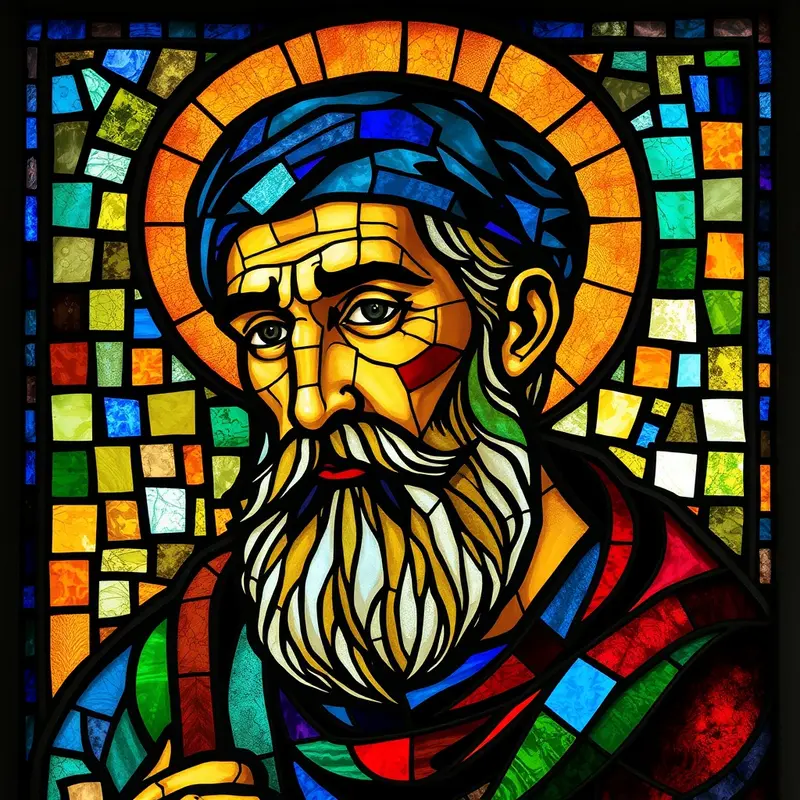
Biography
Ahimelech son of Abiathar served as a priest during the reign of King David, mentioned in 2 Samuel 8:17 and 1 Chronicles 18:16 among the chief officials of David's administration. His father Abiathar was the sole survivor of the massacre of the priests at Nob ordered by King Saul, who had fled to David and served as one of his two chief priests alongside Zadok throughout David's reign. Ahimelech therefore belonged to a priestly line that had both suffered profoundly under royal persecution and subsequently been restored to honor within David's kingdom. Serving alongside Zadok and his family, Ahimelech participated in the priestly administration that organized Israel's worship during the pivotal transitional period between the tabernacle and the eventual construction of Solomon's temple.
Significance
Ahimelech son of Abiathar represents a line of priestly survival and restoration that carries significant theological meaning. His grandfather Ahimelech had been slaughtered for showing hospitality to David; his father Abiathar had escaped to become one of the pillars of David's priestly administration. That the grandson of a martyred priest served with honor in the royal court of the king his grandfather had aided is a powerful illustration of divine faithfulness, God did not forget the sacrifice of Nob's priests. However, the Abiathar line would eventually be removed from the high priesthood by Solomon (1 Kings 2:26–27), fulfilling the prophecy against Eli's house, reminding readers that God's redemptive purposes advance even through the pruning and discipline of priestly families.
Verse Appearances (1)
1Sam
References
- Orr, J. (ed.) (1915) The International Standard Bible Encyclopedia. Chicago: Howard-Severance Company. [Public Domain]
- Tyndale House, Cambridge (n.d.) Translators Individualised Proper Names with all References (TIPNR). STEPBible. Available at: https://www.stepbible.org. [CC BY 4.0]
- Wikidata contributors (n.d.) Wikidata. Available at: https://www.wikidata.org. [CC0]
- Church of England (1769) The Holy Bible, Authorized (King James) Version. [Public Domain]