
Ahlai
Ahlai was the daughter of Sheshan, a descendant of Jerahmeel, from the tribe of Judah. (1Ch.2.31)
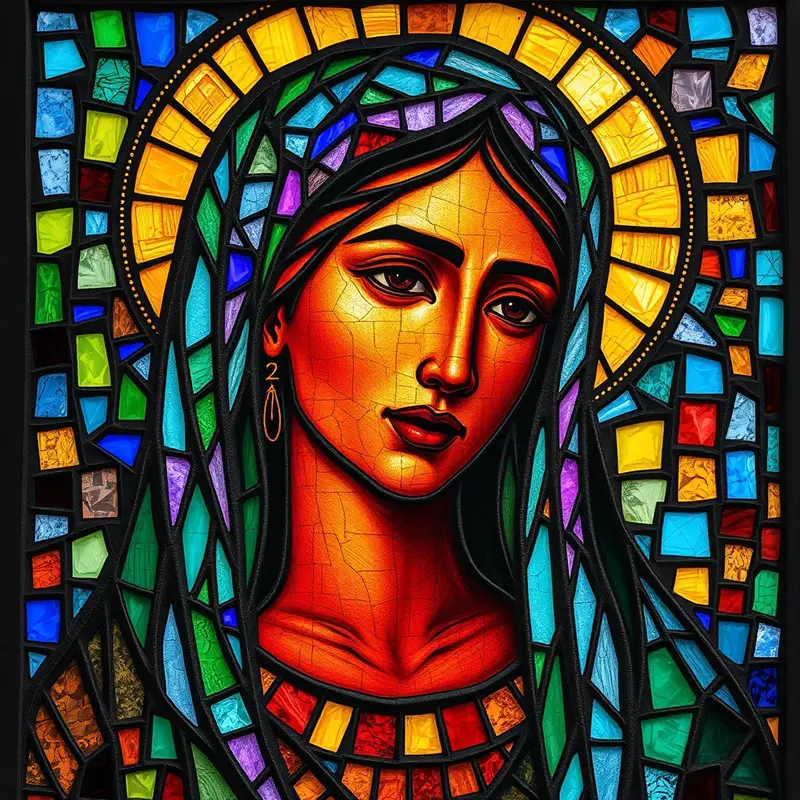
Biography
Ahlai was the daughter of Sheshan, a notable descendant of Jerahmeel from the tribe of Judah, whose genealogy is recorded in 1 Chronicles 2:31–35. Sheshan is noted in the text as having no sons, only daughters, and so gave his daughter Ahlai in marriage to Jarha, his Egyptian servant, in order to continue the family line (1 Chr. 2:34–35). Their union produced a son named Attai, from whom a significant genealogical chain descended through six further generations to Elishama (1 Chr. 2:36–41). Ahlai is thus a rare biblical figure whose name is preserved because she was the conduit through which a prominent Judahite lineage survived, a daughter whose marriage to a foreigner became the pivot point of her family's continuation.
Significance
Ahlai's story carries profound significance for the biblical theology of inclusion and divine providence. Her father Sheshan's decision to give her to Jarha, an Egyptian servant, echoes the broader scriptural witness that God weaves foreigners into the covenant people's story, from Ruth the Moabitess to Rahab the Canaanite. That a Judahite line should be preserved through a daughter's marriage to a Gentile anticipates the gospel's expansion beyond ethnic boundaries. Ahlai herself represents the often-overlooked women through whom genealogical continuity was maintained, and her presence in the Chronicler's records affirms that women's roles in preserving God's covenant purposes deserve recognition even when society's records tend to trace lines through fathers and sons.
Verse Appearances (1)
1Chr
References
- Orr, J. (ed.) (1915) The International Standard Bible Encyclopedia. Chicago: Howard-Severance Company. [Public Domain]
- Tyndale House, Cambridge (n.d.) Translators Individualised Proper Names with all References (TIPNR). STEPBible. Available at: https://www.stepbible.org. [CC BY 4.0]
- Wikidata contributors (n.d.) Wikidata. Available at: https://www.wikidata.org. [CC0]
- Church of England (1769) The Holy Bible, Authorized (King James) Version. [Public Domain]