
Amaziah
Amaziah, son of Joash, was the ninth king of Judah who reigned for 29 years.
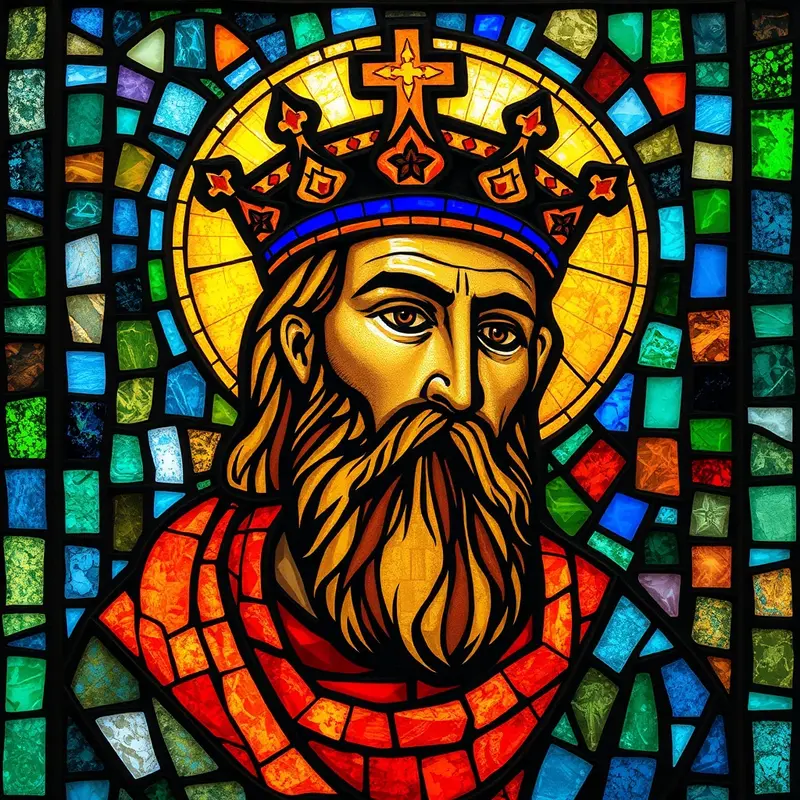
Biography
Amaziah son of Joash was the ninth king of Judah, reigning approximately 796–767 BC (2 Kings 14:1–20; 2 Chronicles 25). His twenty-nine-year reign was marked by early promise and later disaster. He began well: after consolidating his throne, he executed his father's assassins but notably spared their children, citing the Mosaic law against vicarious punishment (Deuteronomy 24:16). He mounted a successful military campaign against Edom in the Valley of Salt, defeating 10,000 Edomites and capturing Sela. Yet his reign was undone by spiritual compromise and pride: he brought back Edomite idols to worship, refused counsel from a prophet, and challenged King Jehoash of Israel to battle, a disastrous confrontation that resulted in the looting of Jerusalem's temple and palace and the partial dismantling of the city's walls.
Significance
Amaziah's reign is a sustained study in the dynamics of partial obedience and the dangers of spiritual pride. His early observance of the Mosaic law regarding collective punishment reveals a king capable of principled restraint. Yet the Chronicler's repeated refrain, that he did right "but not wholeheartedly" (2 Chronicles 25:2), signals the fatal limitation of his character. His adoption of Edomite idols after a military victory, when gratitude should have deepened his devotion to God, is particularly arresting. His humiliation by Jehoash and eventual assassination in Lachish (2 Kings 14:19) demonstrate the consistent biblical theme that partial fidelity cannot sustain a kingdom, and that those who abandon the living God will ultimately be abandoned to their own folly.
Verse Appearances (34)
2Kgs
1Chr
References
- Orr, J. (ed.) (1915) The International Standard Bible Encyclopedia. Chicago: Howard-Severance Company. [Public Domain]
- Tyndale House, Cambridge (n.d.) Translators Individualised Proper Names with all References (TIPNR). STEPBible. Available at: https://www.stepbible.org. [CC BY 4.0]
- Wikidata contributors (n.d.) Wikidata. Available at: https://www.wikidata.org. [CC0]
- Church of England (1769) The Holy Bible, Authorized (King James) Version. [Public Domain]