
Asaph
Asaph was a Levite musician and psalmist during David's reign, and his descendants served as temple singers (1 Chr 6:39; 15:17, 19; 16:5, 7, 37; 25:1, 2, 6, 9; 2 Chr 5:12; 20:14; 29:13, 30; 35:15; Ezra 2:41; 3:10; Neh 7:44; 11:22; 12:35, 46; Psalms 50, 73-83).
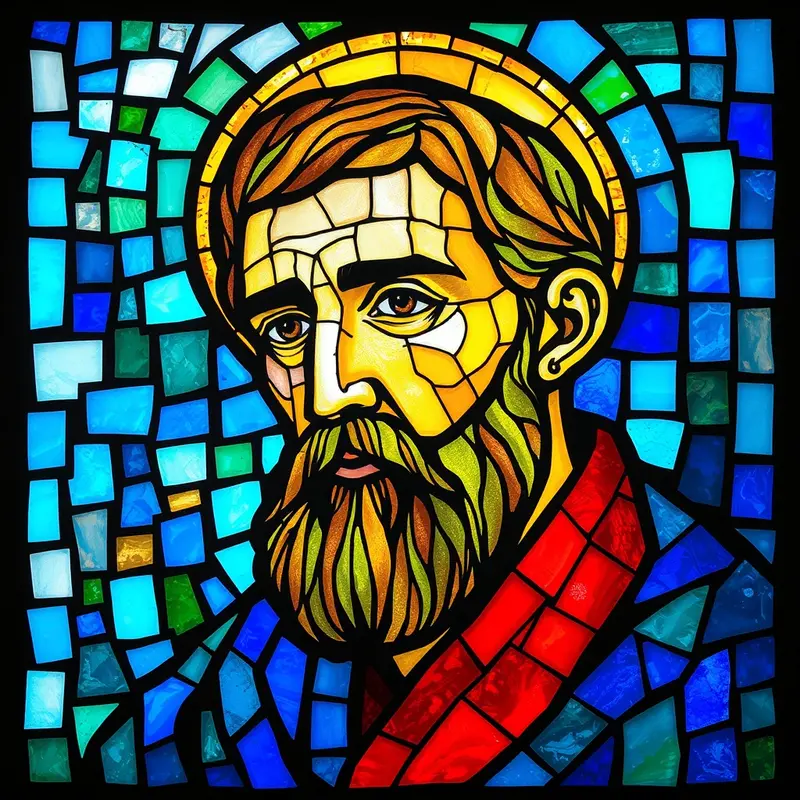
Biography
Asaph son of Berechiah was the preeminent Levite musician and psalmist appointed by King David to lead worship at the sanctuary. A descendant of Gershom, he was one of three chief musicians, alongside Heman and Ethan (Jeduthun), who presided over the musical guilds of Israel's worship (1 Chr 6:39; 15:17). Asaph stood at David's right hand as the chief director and is credited with founding the first division of the prophetic musical order (1 Chr 25:1–2). Twelve psalms (Psalms 50; 73–83) bear his name, spanning themes of covenant judgment, theodicy, and national lament. His guild continued serving through the dedication of Solomon's temple (2 Chr 5:12), and 'the sons of Asaph' remained active through Hezekiah's reform, the return from exile, and Nehemiah's era, a dynasty of worship spanning five centuries.
Significance
Asaph occupies a singular place in Israel's worship tradition as both a practitioner and a theologian of sacred music. The Asaphic psalms grapple honestly with suffering (Ps 73), national defeat (Ps 74; 79), and God's justice (Ps 50), revealing a psalmist unafraid to wrestle with the difficult realities of covenant life. The description of Levitical prophecy through music (1 Chr 25:1) positions Asaph's work at the intersection of worship and divine revelation, song as prophetic act. His enduring legacy through 'the sons of Asaph' illustrates how one faithful servant can shape a community's encounter with God across generations. The breadth and theological depth of his psalms continue to shape Christian and Jewish worship to this day.
Verse Appearances (33)
References
- Orr, J. (ed.) (1915) The International Standard Bible Encyclopedia. Chicago: Howard-Severance Company. [Public Domain]
- Tyndale House, Cambridge (n.d.) Translators Individualised Proper Names with all References (TIPNR). STEPBible. Available at: https://www.stepbible.org. [CC BY 4.0]
- Wikidata contributors (n.d.) Wikidata. Available at: https://www.wikidata.org. [CC0]
- Church of England (1769) The Holy Bible, Authorized (King James) Version. [Public Domain]