
Asher
Asher was the eighth son of Jacob, born to Zilpah, Leah's maidservant, and became the founder of the tribe of Asher (Gen 30:13; 35:26; 46:17; 49:20; Exo 1:4; Num 1:13, 40-41; 2:27; 7:72; 10:26; 13:13; 26:44-47; 34:27; Deu 27:13; 33:24; Jos 17:7, 10-11; 19:24, 31, 34; 21:6, 30; Jdg 1:31; 5:17; 6:35; 7:23; 2 Sam 2:9; 1 Ki 4:16; 1 Chr 2:2; 6:62, 74; 7:30, 40; 12:36; 2 Chr 30:11; Ezk 48:2-3, 34; Luke 2:36; Rev 7:6).
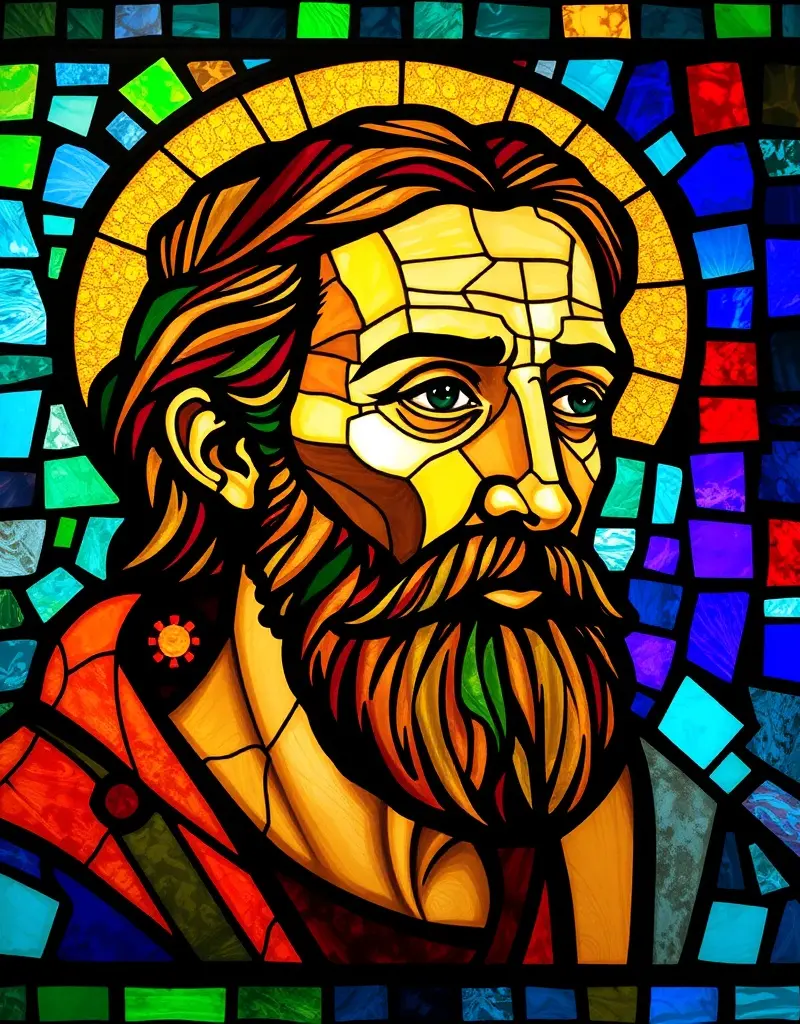
Biography
Asher was the eighth son of Jacob, born to Zilpah, the maidservant of Leah, during the intense period of sibling rivalry between Leah and Rachel in Paddan-aram (Gen 30:12–13). His name, meaning 'happy' or 'blessed,' reflects Leah's joyful declaration at his birth. Asher descended with his four sons and one daughter Serah to Egypt (Gen 46:17), becoming the tribal ancestor of the Asherites, a large and prosperous group counted among the twelve tribes. The tribe settled along the fertile coastal plain of northern Canaan, from Carmel northward toward Phoenicia (Jos 19:24–31). Jacob's blessing promised Asher rich food worthy of royalty (Gen 49:20), and Moses's blessing envisioned him dipping his foot in oil and enjoying the favor of his brothers (Deut 33:24–25). In the New Testament, the prophetess Anna was identified as a daughter of Phanuel from the tribe of Asher (Luke 2:36), representing Asher's presence in Messianic history.
Significance
Asher holds a distinctive place in the biblical narrative as a symbol of material blessing and abundance within the covenant community. His tribal territory in northern Canaan was among the most fertile in the land, a fulfillment of Jacob's and Moses's prophetic blessings. Yet his tribe is also noted for its relative passivity during key moments of Israel's history, failing to fully drive out the Canaanites (Jdg 1:31–32) and being slow to rally in times of national crisis (Jdg 5:17). Theologically, Asher's story illustrates that prosperity and blessing do not automatically produce spiritual vigor or covenant faithfulness. His most enduring representative in Scripture, Anna the prophetess (Luke 2:36–38), redeems the tribe's legacy, a widow of great age who prayed and fasted continuously in the temple and testified to the arrival of Israel's Messiah.
Verse Appearances (46)
Exodus
Numbers
Deuteronomy
Joshua
2 Samuel
1 Kings
1 Chronicles
2 Chronicles
Luke
Revelation
References
- Orr, J. (ed.) (1915) The International Standard Bible Encyclopedia. Chicago: Howard-Severance Company. [Public Domain]
- Tyndale House, Cambridge (n.d.) Translators Individualised Proper Names with all References (TIPNR). STEPBible. Available at: https://www.stepbible.org. [CC BY 4.0]
- Church of England (1769) The Holy Bible, Authorized (King James) Version. [Public Domain]