
Asshur
Asshur was a son of Shem and is considered the father of the Assyrians (Gen 10:22; 1 Chr 1:17).
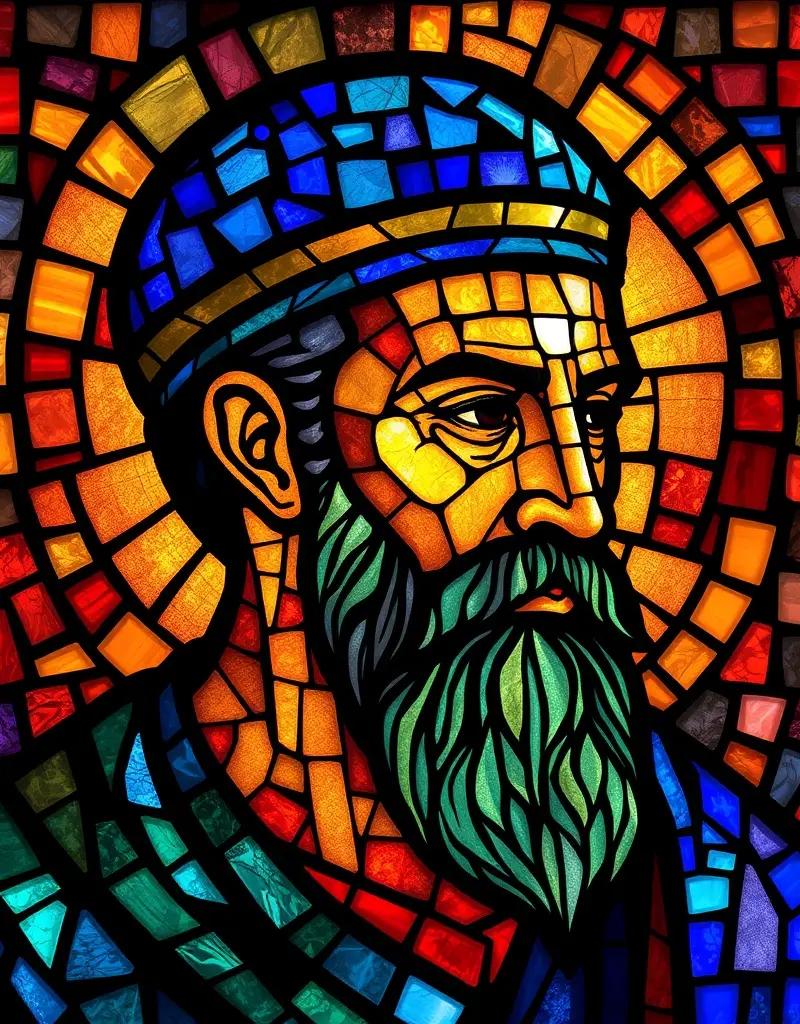
Biography
Asshur was the second son of Shem, son of Noah, appearing in the Table of Nations in Genesis 10:22 and its parallel in 1 Chronicles 1:17. He is regarded by biblical ethnographers as the eponymous ancestor of the Assyrians, one of the most powerful and historically consequential civilizations of the ancient Near East. The land of Assyria, centered on the upper Tigris River valley and including cities such as Nineveh and Calah, took its name from him (Gen 10:11, though some translations read the subject as Nimrod). Asshur's descendants built an empire that would dominate the ancient world for centuries, eventually conquering and dispersing the northern kingdom of Israel in 722 BC under Shalmaneser V and Sargon II. His name is invoked throughout the prophetic literature as a symbol of both terrifying power and divine judgment.
Significance
Asshur's significance extends far beyond genealogy. As the progenitor of Assyria, he stands at the origin of a nation that God would later use as "the rod of My anger" to discipline a wayward Israel (Isa 10:5). This underscores the biblical conviction that even the most formidable human empires exist within God's sovereign purposes. The prophets Isaiah, Nahum, Jonah, and Micah all engage extensively with Assyria, whether pronouncing judgment on Israel through it, announcing its own eventual destruction, or recording God's mercy toward Nineveh. Asshur's place in the Shemite genealogy also reminds readers that humanity's most powerful nations trace ultimately to Noah, bound by the same covenantal framework God established after the flood.
Verse Appearances (2)
Genesis
1 Chronicles
References
- Orr, J. (ed.) (1915) The International Standard Bible Encyclopedia. Chicago: Howard-Severance Company. [Public Domain]
- Tyndale House, Cambridge (n.d.) Translators Individualised Proper Names with all References (TIPNR). STEPBible. Available at: https://www.stepbible.org. [CC BY 4.0]
- Church of England (1769) The Holy Bible, Authorized (King James) Version. [Public Domain]