
Baalis
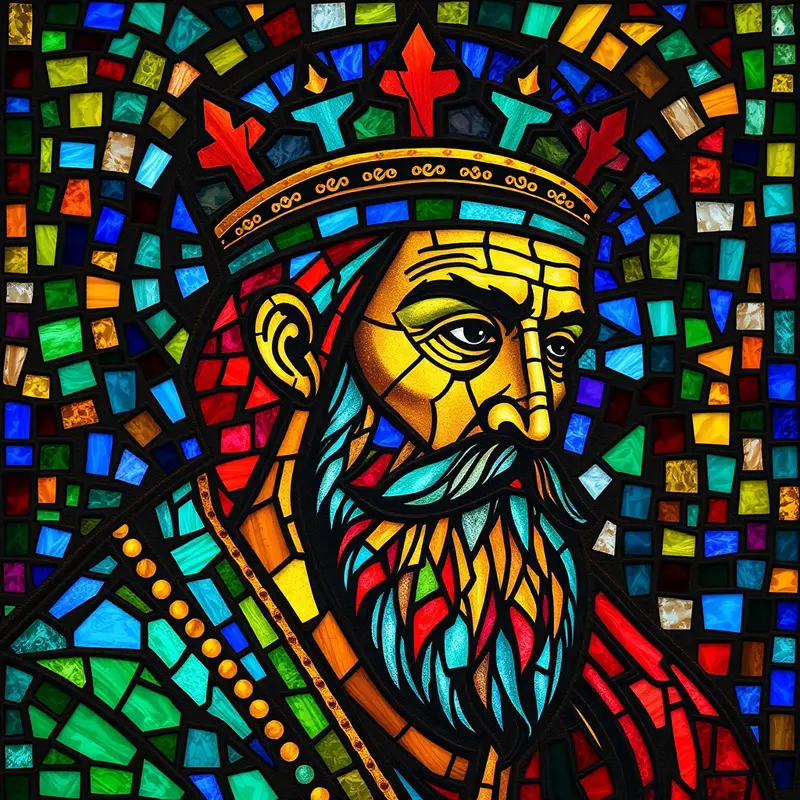
Baalis, the king of the Ammonites, sent Ishmael to assassinate Gedaliah the governor.
Biography
Baalis was the king of Ammon during the tumultuous period immediately following the Babylonian destruction of Jerusalem in 586 BC. His singular recorded action in Scripture is plotting the assassination of Gedaliah, the Babylonian-appointed Jewish governor of Judah (Jeremiah 40:14). Baalis dispatched Ishmael son of Netaniah, a member of the Judean royal family, as his agent. Despite being warned of the conspiracy by Johanan son of Kareah, Gedaliah refused to believe it and was murdered along with his companions at Mizpah (Jeremiah 41:1–3). The assassination plunged the surviving Judean remnant into chaos, ultimately causing the remaining population to flee to Egypt against Jeremiah's counsel.
Significance
Baalis represents the hostile foreign powers that sought to capitalize on Judah's collapse and undermine any possibility of post-exile restoration under Babylonian governance. His conspiracy against Gedaliah eliminated the one figure who had the potential to stabilize and preserve a remnant community in the land, a remnant that Jeremiah saw as holding covenant significance (Jeremiah 40:9–10). The assassination reveals how political ambition and ethnic rivalry could thwart God's purposes for his people. Theologically, Baalis illustrates the ongoing opposition that God's covenant community faced from surrounding nations, and the account stands as a solemn warning about the destructive consequences of refusing wise counsel and underestimating threats to God's work.
Verse Appearances (1)
Jeremiah
References
- Orr, J. (ed.) (1915) The International Standard Bible Encyclopedia. Chicago: Howard-Severance Company. [Public Domain]
- Tyndale House, Cambridge (n.d.) Translators Individualised Proper Names with all References (TIPNR). STEPBible. Available at: https://www.stepbible.org. [CC BY 4.0]
- Church of England (1769) The Holy Bible, Authorized (King James) Version. [Public Domain]