
Bani
The sons of Bani were among those who had married foreign women during Ezra's time.
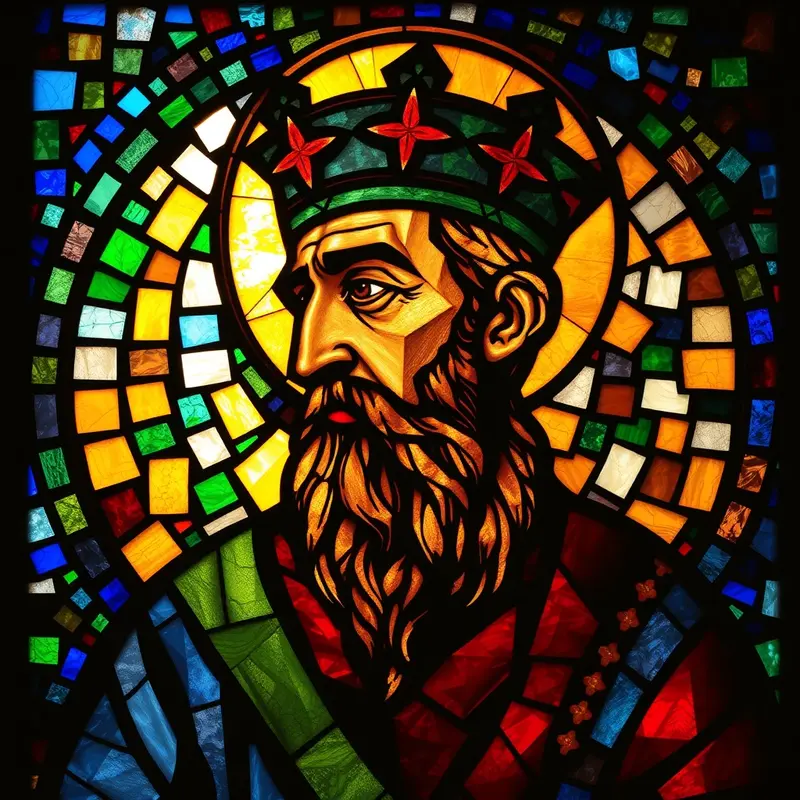
Biography
This Bani is recorded in Ezra 10:29 as the head of a family whose sons were among those who had married foreign women in violation of the Mosaic law's warnings against intermarriage with the peoples of Canaan and surrounding nations. When Ezra received word of these marriages and tore his garments in grief (Ezra 9:3), he led the community through a period of prayer and confession. A public assembly was called, and the men who had contracted these marriages, including the sons of Bani, agreed to separate from their foreign wives. The sons of Bani who are specifically named in Ezra 10:29 are Meshullam, Malluch, Adaiah, Jashub, Sheal, and Jeremoth, indicating that an entire group of brothers or clan members had participated in these unions.
Significance
The case of Bani's sons in Ezra 10 illustrates the tension between individual human relationships and covenant community obligations that runs through much of Israel's narrative. Ezra's response to the intermarriage crisis was grounded in the concern that pagan religious influences would corrupt Israel's exclusive devotion to God, the very failure that had repeatedly led to apostasy and exile (Deuteronomy 7:3–4; 1 Kings 11:1–8). The public nature of both the sin's acknowledgment and its correction underscores the communal dimension of covenant faithfulness. While the episode raises difficult questions about those families affected, it reflects the post-exilic community's determination to preserve their distinct identity as a holy people set apart for God's purposes.
Verse Appearances (5)
References
- Orr, J. (ed.) (1915) The International Standard Bible Encyclopedia. Chicago: Howard-Severance Company. [Public Domain]
- Tyndale House, Cambridge (n.d.) Translators Individualised Proper Names with all References (TIPNR). STEPBible. Available at: https://www.stepbible.org. [CC BY 4.0]
- Wikidata contributors (n.d.) Wikidata. Available at: https://www.wikidata.org. [CC0]
- Church of England (1769) The Holy Bible, Authorized (King James) Version. [Public Domain]