
Bebai
Bebai was the head of a family that returned to Jerusalem from Babylonian captivity.
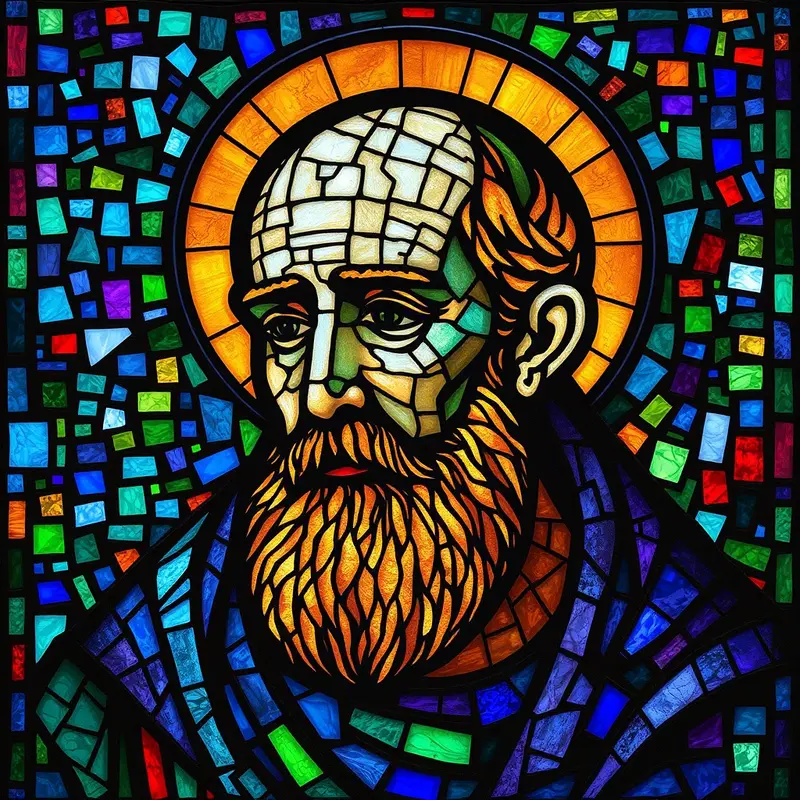
Biography
Bebai was the head of a prominent lay family among those who returned from Babylonian captivity in the first wave of exiles under Zerubbabel and Jeshua, around 538 BC following Cyrus's decree. According to Ezra 2:11 and Nehemiah 7:16, his family numbered 623 or 628 individuals respectively, a significant clan whose return was part of the massive demographic and spiritual restoration of the Jewish people to their homeland. He is listed among the lay family heads whose numbers are carefully recorded in both return lists, indicating his family's importance among the returned exiles. The resettlement of such large family groups was essential to rebuilding the towns of Judah, repopulating the land, and reestablishing the social fabric necessary for covenant community life.
Significance
Bebai represents the anonymous but essential lay families whose collective return made the restoration of Israel materially possible. While priests and Levites provided religious leadership, it was the large lay families like Bebai's, numbering in the hundreds, who populated the villages, tilled the land, and rebuilt the economic and social infrastructure of Judah. Their faithful response to Cyrus's decree fulfilled the prophetic word of restoration and demonstrated that God's covenant purposes operate through ordinary families as much as through extraordinary leaders. The preservation of detailed census lists in Ezra and Nehemiah reflects the theological conviction that every family matters in the economy of God's redemptive plan for his people.
Verse Appearances (4)
Nehemiah
References
- Orr, J. (ed.) (1915) The International Standard Bible Encyclopedia. Chicago: Howard-Severance Company. [Public Domain]
- Tyndale House, Cambridge (n.d.) Translators Individualised Proper Names with all References (TIPNR). STEPBible. Available at: https://www.stepbible.org. [CC BY 4.0]
- Wikidata contributors (n.d.) Wikidata. Available at: https://www.wikidata.org. [CC0]
- Church of England (1769) The Holy Bible, Authorized (King James) Version. [Public Domain]