
Bethuel
Bethuel, the son of Nahor and Milcah, was the father of Rebekah, Isaac's wife.
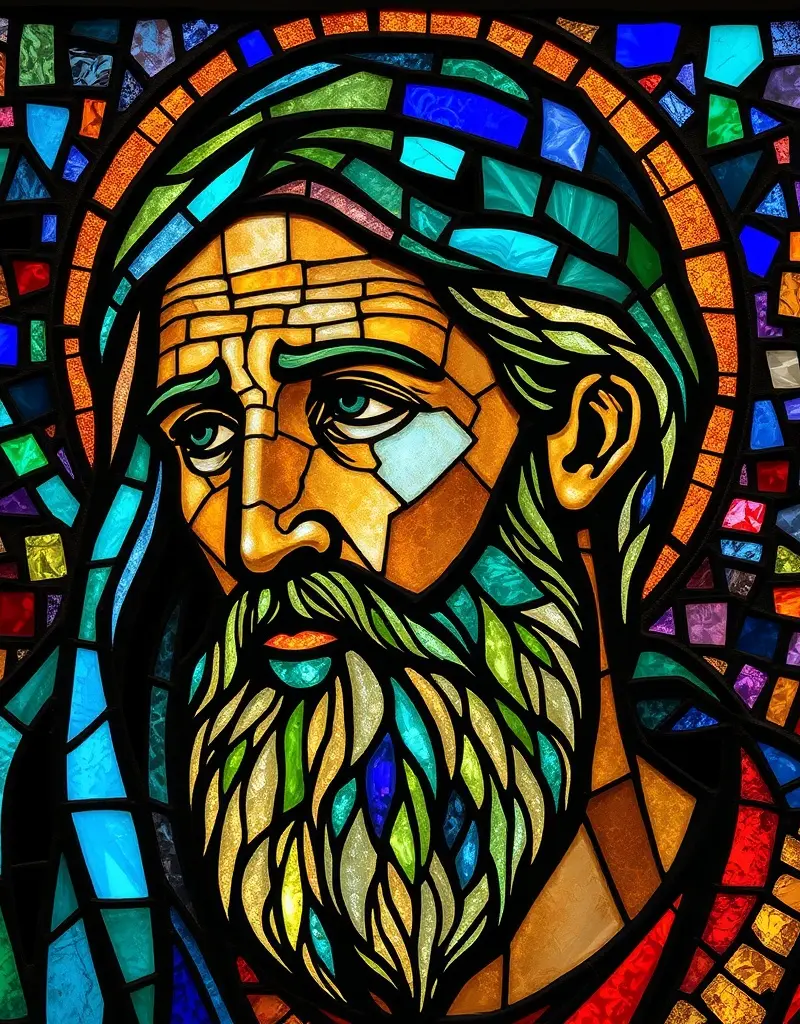
Biography
Bethuel was the son of Nahor, Abraham's brother, and his wife Milcah, making him Abraham's nephew (Genesis 22:20-23). He lived in the region of Paddan-aram (also called Aram-naharaim) in Mesopotamia. His most significant role in biblical history was as the father of Rebekah and Laban. When Abraham sent his chief servant Eliezer on a mission to find a wife for his son Isaac from among his own kindred, it was to Bethuel's household that the servant was divinely guided (Genesis 24). Bethuel and Laban together received the servant and acknowledged that the matter was from the LORD (Genesis 24:50), consenting to Rebekah's departure. Bethuel appears as a largely passive figure in the narrative, present but overshadowed by both his son Laban and the providential drama unfolding around him.
Significance
Bethuel's household stood at a crucial juncture in the patriarchal narrative: it was the source from which Isaac's wife was drawn, ensuring that the line of Abraham remained within the broader family and did not intermarry with Canaanite peoples, whose covenant unfitness was already established. This careful preservation of lineage was essential to the unfolding of God's covenant promises, since Rebekah would become the mother of Jacob, through whom the twelve tribes of Israel descended. Bethuel's acknowledgment that Eliezer's mission was orchestrated by God (Genesis 24:50) reflects a recognition of divine providence operating through seemingly ordinary arrangements of kinship and betrothal, pointing to the theological truth that God governs all things in service of his redemptive plan.
Verse Appearances (9)
References
- Orr, J. (ed.) (1915) The International Standard Bible Encyclopedia. Chicago: Howard-Severance Company. [Public Domain]
- Tyndale House, Cambridge (n.d.) Translators Individualised Proper Names with all References (TIPNR). STEPBible. Available at: https://www.stepbible.org. [CC BY 4.0]
- Church of England (1769) The Holy Bible, Authorized (King James) Version. [Public Domain]