
Binnui
Binnui, one of the descendants of Pahath-moab, divorced his foreign wife during Ezra's reforms.
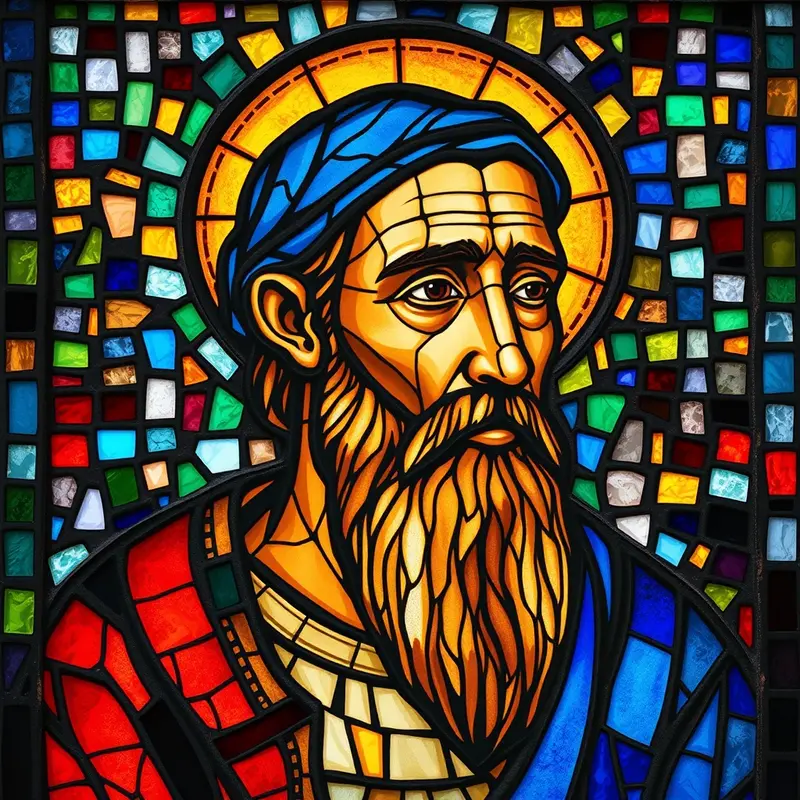
Biography
This Binnui appears in Ezra 10:30 among the descendants of Pahath-moab who had taken foreign wives and were required to divorce them during Ezra's sweeping religious reform. Pahath-moab was a prominent clan among the returning exiles, likely descended from an official who had governed in Moab prior to the exile. Ezra's confrontation with the issue of intermarriage arose from a concern not primarily ethnic but theological: foreign wives had repeatedly drawn Israel into idolatry (cf. 1 Kings 11:1-8; Nehemiah 13:26). Binnui's compliance with Ezra's directive represents a painful but decisive act of covenant obedience, choosing fidelity to the community's call to holiness over personal relationships. His name is listed among many others who similarly acted.
Significance
Binnui's compliance with Ezra's marriage reform (Ezra 10:30) illustrates one of Scripture's most demanding calls: that covenant loyalty sometimes requires painful personal sacrifice. The theological stakes were high, the returned community's identity as a holy people distinct from surrounding nations was foundational to their mission. While modern readers may struggle with the harshness of this decree, the underlying principle is clear: spiritual compromise through assimilation posed an existential threat to the community's covenant relationship with God. Binnui's obedience, however costly, reflects the kind of whole-hearted devotion Ezra sought to instill. His story challenges believers to examine areas where cultural accommodation may be slowly eroding their distinctive calling.
Verse Appearances (1)
Ezra
References
- Orr, J. (ed.) (1915) The International Standard Bible Encyclopedia. Chicago: Howard-Severance Company. [Public Domain]
- Tyndale House, Cambridge (n.d.) Translators Individualised Proper Names with all References (TIPNR). STEPBible. Available at: https://www.stepbible.org. [CC BY 4.0]
- Wikidata contributors (n.d.) Wikidata. Available at: https://www.wikidata.org. [CC0]
- Church of England (1769) The Holy Bible, Authorized (King James) Version. [Public Domain]