
Cain
Cain, the firstborn son of Adam and Eve, murdered his brother Abel and was cursed by God to be a wanderer.
Biography
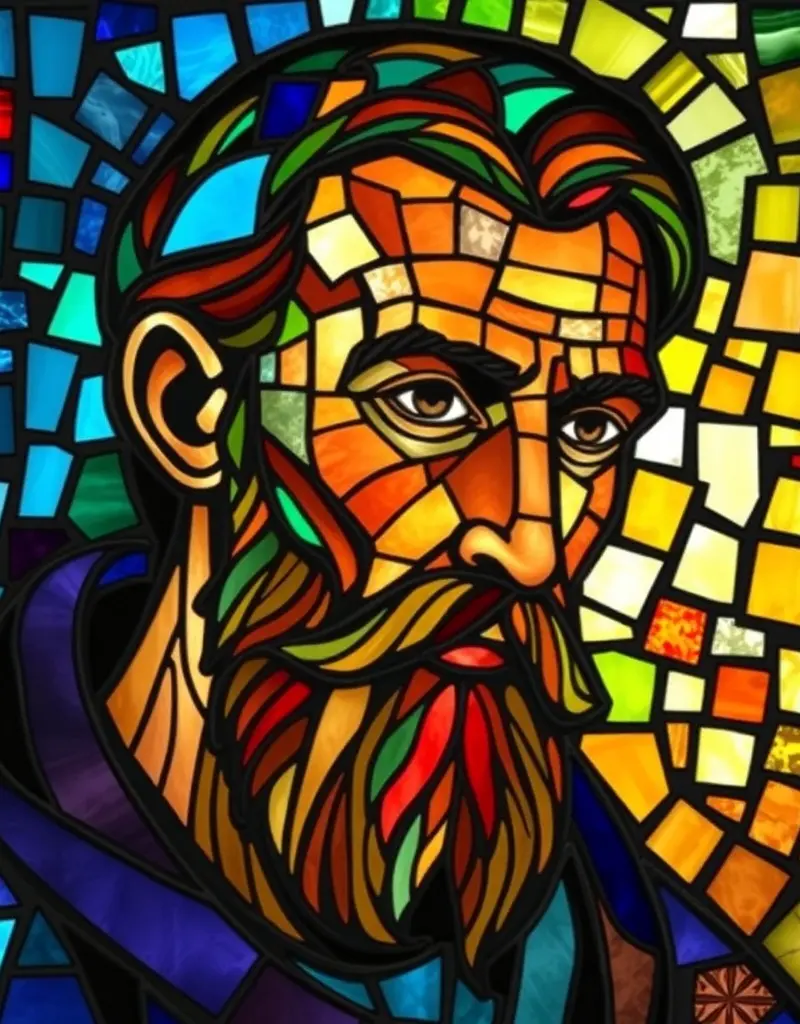
Cain was the firstborn son of Adam and Eve, and thus the first human being conceived and born in the natural manner after the fall. A farmer by vocation, he brought an offering of produce to God, which was rejected, while his brother Abel's offering of firstborn flock animals was accepted (Genesis 4:1–5). Consumed by jealousy and rage, Cain murdered Abel, becoming the first murderer in human history. When confronted by God, he replied with the chilling question, "Am I my brother's keeper?" (Genesis 4:9). God cursed him to be a wanderer and fugitive, placing a protective mark upon him. Cain settled in the land of Nod, east of Eden, and his descendants built cities, developed arts, and advanced technology, while also introducing patterns of escalating violence (Genesis 4:17–24).
Significance
Cain's story is foundational to the Bible's theology of sin, conscience, jealousy, and human accountability. He represents the trajectory of fallen humanity, the rejection of God's prescribed approach to worship, the corruption of fraternal love into murderous hatred, and the self-deception that denies responsibility for others. The New Testament references Cain as a cautionary type: Hebrews 11:4 implies Abel's faith-based offering contrasts with Cain's; 1 John 3:12 identifies Cain as one who "belonged to the evil one"; and Jude 11 warns against those who have "taken the way of Cain." His life illustrates that unrepented sin spirals outward, corrupting individuals, families, and civilizations, the antithesis of the self-giving love embodied in Christ.
Verse Appearances (5)
References
- Orr, J. (ed.) (1915) The International Standard Bible Encyclopedia. Chicago: Howard-Severance Company. [Public Domain]
- Tyndale House, Cambridge (n.d.) Translators Individualised Proper Names with all References (TIPNR). STEPBible. Available at: https://www.stepbible.org. [CC BY 4.0]
- Church of England (1769) The Holy Bible, Authorized (King James) Version. [Public Domain]