
Canaan
Canaan, the son of Ham, was the father of Sidon, Heth, and other Canaanite tribes.
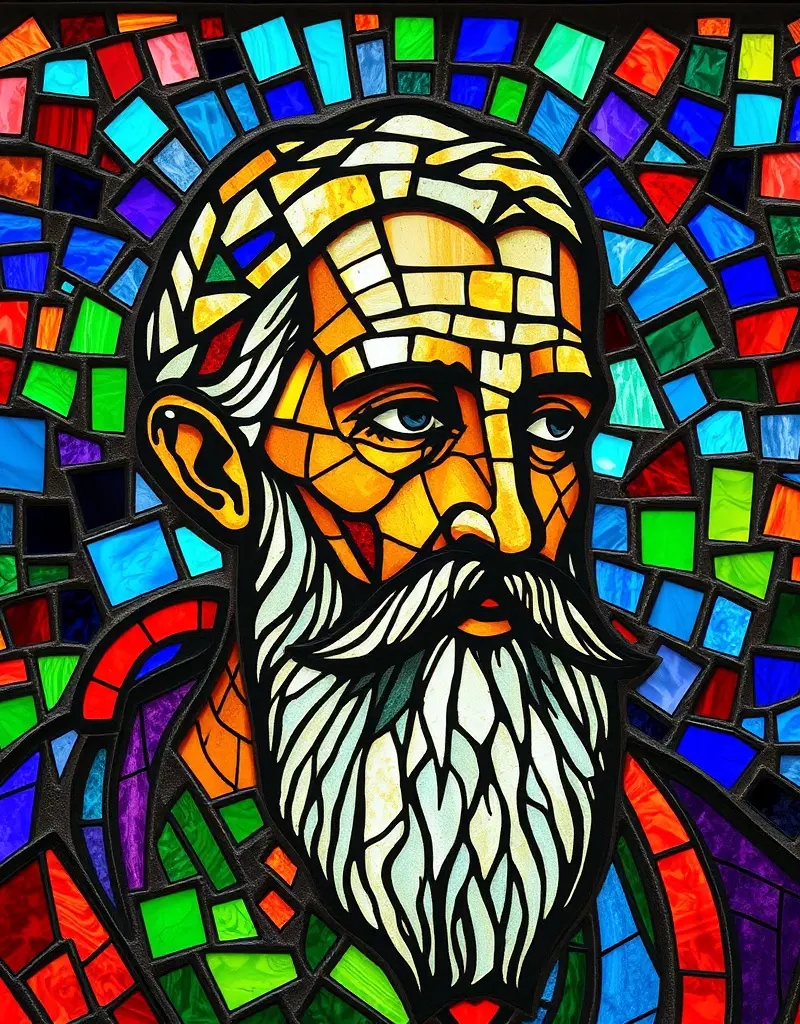
Biography
Canaan was the fourth son of Ham and the grandson of Noah (Genesis 9:18; 10:6). He became the progenitor of the Canaanite peoples, whose territory stretched across the land that would later bear his name, the region bounded by the Jordan River, the Mediterranean Sea, and the surrounding lands. Genesis 10:15–18 lists his descendants: Sidon, Heth, the Jebusites, Amorites, Girgashites, Hivites, Arkites, Sinites, Arvadites, Zemarites, and Hamathites, a catalog of the nations Israel would later confront in the conquest. Canaan is most prominently associated with the curse Noah pronounced over him following Ham's offense in Genesis 9:20–27, a passage of significant historical and hermeneutical complexity.
Significance
Canaan's story is theologically fraught and foundational to the biblical narrative of the Promised Land. The Noahic curse upon Canaan in Genesis 9:25–27 established a prophetic framework that anticipated the eventual displacement of Canaanite nations by Israel, a fulfillment recorded across Joshua and Judges. Theologically, the Canaanites came to represent not merely a political rival but a spiritual danger: their religious practices of child sacrifice, cult prostitution, and idolatry represented the antithesis of the holy community God was forming in Israel. Canaan's story also raises profound questions about collective judgment and divine sovereignty that run throughout Scripture, ultimately resolved in the New Testament vision of all nations being brought under the lordship of Christ through the gospel.
Verse Appearances (9)
References
- Orr, J. (ed.) (1915) The International Standard Bible Encyclopedia. Chicago: Howard-Severance Company. [Public Domain]
- Tyndale House, Cambridge (n.d.) Translators Individualised Proper Names with all References (TIPNR). STEPBible. Available at: https://www.stepbible.org. [CC BY 4.0]
- Church of England (1769) The Holy Bible, Authorized (King James) Version. [Public Domain]