
Dathan
Dathan, a Reubenite, joined Korah's rebellion against Moses and Aaron and was punished by God. (Num.16.1,12,24,25,27,27; 26.9,9; Deu.11.6; Psa.106.17)
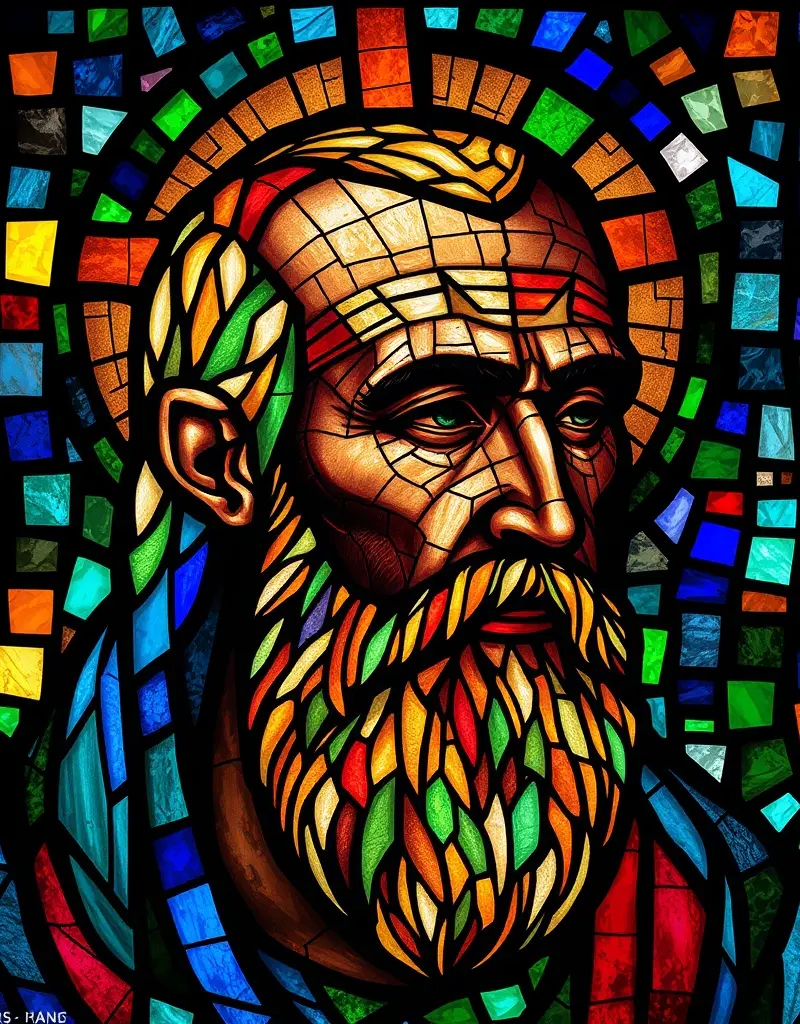
Biography
Dathan was a Reubenite, son of Eliab, who joined the ill-fated rebellion led by Korah the Levite against Moses and Aaron in the wilderness of Sinai (Numbers 16). Together with his brother Abiram and the Levite Korah, Dathan challenged the exclusive leadership and priestly authority claimed by Moses and Aaron, accusing them of exalting themselves above the rest of the congregation (Numbers 16:3). Moses attempted to address the grievances, but Dathan and Abiram refused to appear before him (Numbers 16:12). The rebellion ended catastrophically: the earth opened and swallowed Dathan, Abiram, Korah, and their households alive (Numbers 16:31-33). Psalm 106:17 commemorates this event, and Deuteronomy 11:6 cites it as a warning to future generations.
Significance
Dathan's rebellion carries profound theological weight as a cautionary tale about the sin of challenging divinely appointed leadership and coveting God-ordained roles. His defiance of Moses was ultimately defiance of God himself, and his horrific judgment, being swallowed alive by the earth, became one of Israel's defining warnings against presumptuous sin. Deuteronomy 11:6 and Psalm 106:17 preserve his story as a didactic memory, calling Israel to observe what happens when the community undermines its God-given structure. The account reinforces that God's appointments of leaders and priests are not human conventions to be contested but divine ordinations demanding respect and submission. Dathan's end underscores the holiness and order God requires within his covenant community.
Verse Appearances (8)
References
- Orr, J. (ed.) (1915) The International Standard Bible Encyclopedia. Chicago: Howard-Severance Company. [Public Domain]
- Tyndale House, Cambridge (n.d.) Translators Individualised Proper Names with all References (TIPNR). STEPBible. Available at: https://www.stepbible.org. [CC BY 4.0]
- Church of England (1769) The Holy Bible, Authorized (King James) Version. [Public Domain]