
Dinah
Dinah, the daughter of Jacob and Leah, was raped by Shechem, leading to a violent confrontation between her brothers and the Shechemites. (Gen.30.21; 34.1,3,5,13,25,26; 46.15)
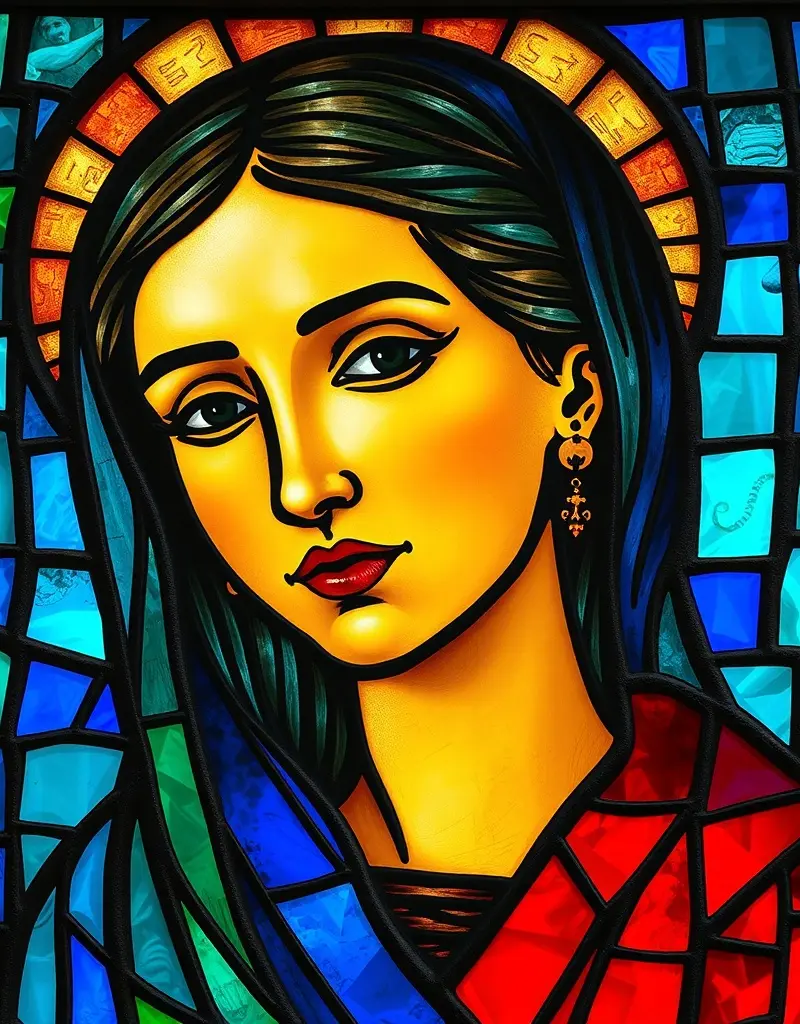
Biography
Dinah was the only daughter of Jacob and Leah mentioned by name in the biblical narrative, born during Jacob's years in Paddan-aram (Genesis 30:21). Her story takes a tragic turn in Genesis 34 when Shechem, the son of Hamor the Hivite, violated her after she went out to visit the women of the land. Shechem then sought to marry her through his father's negotiation with Jacob. While Jacob and his sons appeared to consent to an intermarriage arrangement on the condition of circumcision, her brothers Simeon and Levi used the ruse to exact revenge, slaughtering all the men of the city while they were incapacitated. Dinah was brought back to her father's household, her voice and feelings largely unrecorded in the text. She accompanied Jacob's family to Egypt (Genesis 46:15).
Significance
Dinah's story confronts readers with the reality of sexual violence and its catastrophic consequences in a patriarchal world where women's voices are often silenced. Her narrative raises profound questions about justice, honor, and the devastating cycles of violence it can provoke. Theologically, the episode in Genesis 34 marks a turning point in the patriarchal narratives, revealing the moral complexity of Jacob's household and the long-reaching consequences of Simeon and Levi's violence, which Jacob referenced on his deathbed (Genesis 49:5-7). Dinah stands as a witness to Scripture's unflinching honesty about human sin and suffering, demanding that readers reckon with the full weight of injustice within the covenant community.
Verse Appearances (8)
References
- Orr, J. (ed.) (1915) The International Standard Bible Encyclopedia. Chicago: Howard-Severance Company. [Public Domain]
- Tyndale House, Cambridge (n.d.) Translators Individualised Proper Names with all References (TIPNR). STEPBible. Available at: https://www.stepbible.org. [CC BY 4.0]
- Church of England (1769) The Holy Bible, Authorized (King James) Version. [Public Domain]