
Ephraim
Ephraim was the second son of Joseph, and his descendants formed one of the twelve tribes of Israel, often playing a prominent role in the nation's history (Gen.41.52; 48; Num.1.32,33; Jos.16.4,5).
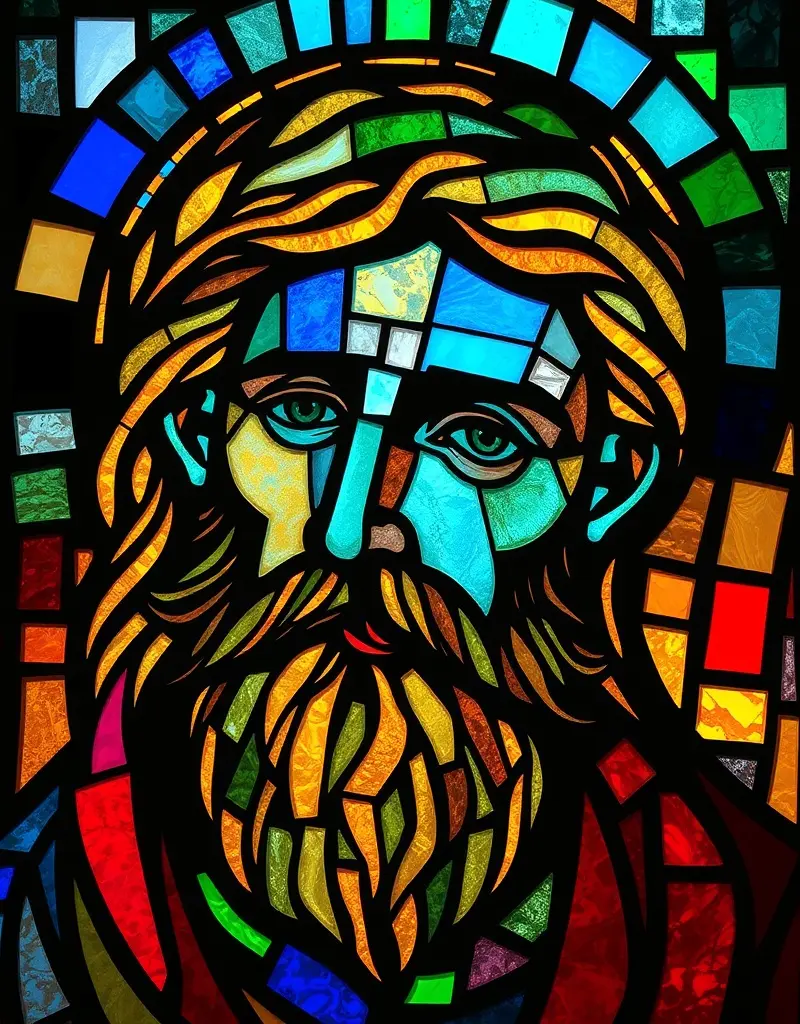
Biography
Ephraim was the second son of Joseph and his Egyptian wife Asenath, born during Joseph's years of prominence in Egypt (Genesis 41:52). His name, meaning 'doubly fruitful,' reflected Joseph's sense of God's blessing despite years of suffering. The defining moment of Ephraim's life came when his grandfather Jacob, near death, crossed his hands to give Ephraim the greater blessing over his elder brother Manasseh, declaring that Ephraim's descendants would become greater (Genesis 48). This act of divine reversal, the younger elevated over the older, echoed a recurring pattern in Israel's story. Ephraim's descendants grew into one of the most powerful tribes of Israel, allotted extensive territory in Canaan (Joshua 16:4–5) and often serving as a dominant force in the northern kingdom.
Significance
Ephraim's elevation over Manasseh through Jacob's deliberate blessing illustrates the sovereignty of God's elective purposes, which do not follow human conventions of birth order. The tribe of Ephraim became so prominent that its name was sometimes used synonymously with the entire northern kingdom of Israel (Isaiah 7:2; Hosea 5:3). This prominence made Ephraim both a source of leadership and a focal point for prophetic critique when the northern tribes drifted into apostasy. Theologically, Ephraim's story points to the principle that God's gifts are given according to his sovereign grace, and that prominence within the covenant community brings both privilege and responsibility before God.
Verse Appearances (148)
Numbers
Deuteronomy
Joshua
Judges
2 Samuel
2 Kings
1 Chronicles
2 Chronicles
Isaiah
Hosea
Obadiah
References
- Orr, J. (ed.) (1915) The International Standard Bible Encyclopedia. Chicago: Howard-Severance Company. [Public Domain]
- Tyndale House, Cambridge (n.d.) Translators Individualised Proper Names with all References (TIPNR). STEPBible. Available at: https://www.stepbible.org. [CC BY 4.0]
- Church of England (1769) The Holy Bible, Authorized (King James) Version. [Public Domain]