
Ezra
Ezra was a priest and scribe who led a group of Jewish exiles back to Jerusalem and played a key role in the spiritual reformation of the people.
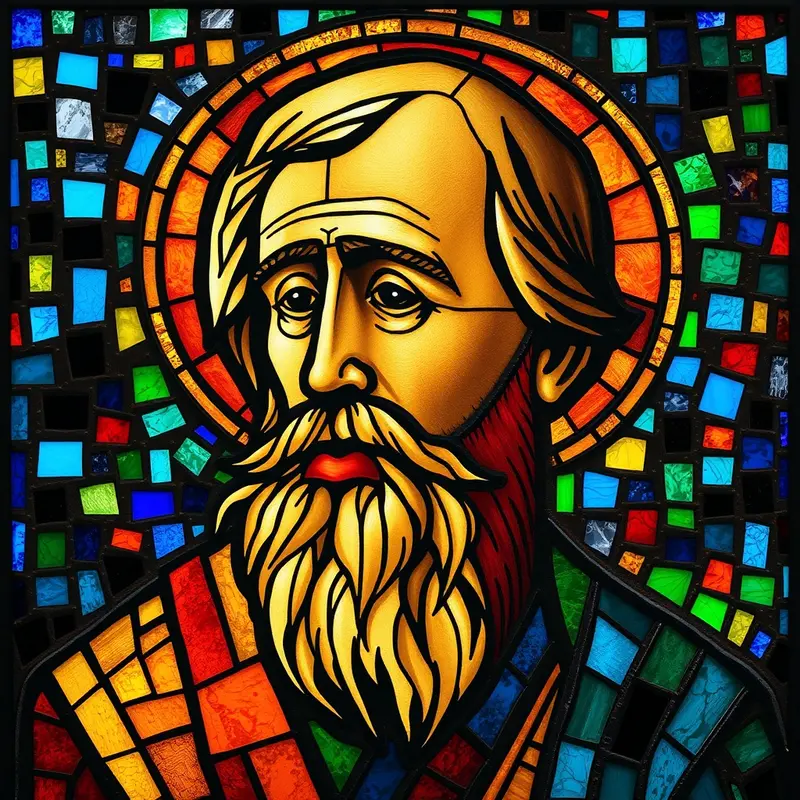
Biography
Ezra the priest and scribe stands as one of the towering figures of the post-exilic period. A descendant of Aaron through Zadok and Phinehas (Ezra 7:1-5), he was deeply versed in the Law of Moses. In the seventh year of Artaxerxes I (c. 458 BC), he led a second caravan of Jewish exiles from Babylon to Jerusalem, carrying royal authorization and generous provisions for the temple (Ezra 7-8). Upon arrival, he was devastated to discover that many Israelites, including priests and Levites, had intermarried with surrounding peoples in violation of the covenant (Ezra 9). His public intercession and weeping prompted a sweeping reform as the community confessed their sin and dissolved the unlawful marriages (Ezra 10). Later, he stood before the Water Gate and read the Law aloud to all the people, prompting a great revival of covenant understanding and worship (Nehemiah 8).
Significance
Ezra occupies a foundational place in Jewish tradition as a second Moses, the one who reconstituted Israel around the Torah after the catastrophe of exile. His ministry demonstrates that spiritual reformation must be grounded in the Word of God: his public reading of the Law in Nehemiah 8 ignited repentance, worship, and renewed covenant commitment. Theologically, Ezra models the indispensable role of Scripture in community formation. His courageous confrontation of covenant unfaithfulness, matched by deep personal brokenness and prayer (Ezra 9:3-15), provides a pattern for prophetic leadership rooted in grief over sin and trust in God's mercy. Christian interpreters see in Ezra a foreshadowing of Christ's role in reconstituting the people of God through the new covenant.
Verse Appearances (22)
References
- Orr, J. (ed.) (1915) The International Standard Bible Encyclopedia. Chicago: Howard-Severance Company. [Public Domain]
- Tyndale House, Cambridge (n.d.) Translators Individualised Proper Names with all References (TIPNR). STEPBible. Available at: https://www.stepbible.org. [CC BY 4.0]
- Wikidata contributors (n.d.) Wikidata. Available at: https://www.wikidata.org. [CC0]
- Church of England (1769) The Holy Bible, Authorized (King James) Version. [Public Domain]