
Haggai
Haggai, a prophet during the post-exilic period, urged the people to rebuild the temple in Jerusalem.
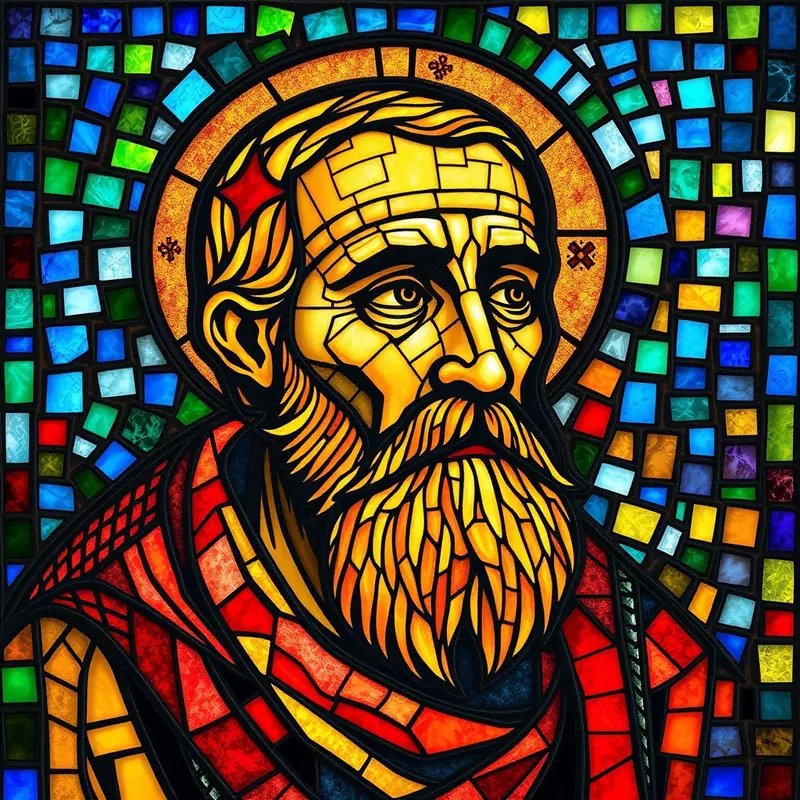
Biography
Haggai was the first prophet to speak to the Jewish community after the return from Babylonian exile, and his brief two-chapter book contains four precisely dated oracles delivered in 520 BC during the second year of King Darius of Persia. The returning exiles had begun rebuilding the Jerusalem temple but had abandoned the work under pressure from neighboring peoples and had turned their energies to their own houses instead. Haggai confronted this misplaced priority directly: 'Is it time for you yourselves to dwell in your paneled houses, while this house lies in ruins?' (Haggai 1:4). His preaching catalyzed an immediate response, Zerubbabel the governor, Joshua the high priest, and the people resumed construction within twenty-three days. Haggai also delivered a messianic oracle promising that the future glory of the temple would surpass the former (Haggai 2:9).
Significance
Haggai's prophetic ministry demonstrates the power of timely, direct proclamation to mobilize God's people. His challenge to prioritize God's house over personal comfort carries perennial relevance. Theologically, his promise that 'the latter glory of this house will be greater than the former' (Haggai 2:9) is understood by many scholars as pointing beyond the Second Temple to the eschatological temple or to Christ himself, in whom God's glory fully dwelt (John 2:21). Haggai also assured Zerubbabel that God had chosen him as a signet ring (Haggai 2:23), a Davidic image linking the restoration community to messianic hope. His ministry stands as a model of prophetic urgency and covenant faithfulness.
Verse Appearances (11)
References
- Orr, J. (ed.) (1915) The International Standard Bible Encyclopedia. Chicago: Howard-Severance Company. [Public Domain]
- Tyndale House, Cambridge (n.d.) Translators Individualised Proper Names with all References (TIPNR). STEPBible. Available at: https://www.stepbible.org. [CC BY 4.0]
- Wikidata contributors (n.d.) Wikidata. Available at: https://www.wikidata.org. [CC0]
- Church of England (1769) The Holy Bible, Authorized (King James) Version. [Public Domain]