
Hakkoz
Hakkoz was a priest whose descendants were unable to prove their priestly lineage after the Babylonian exile.
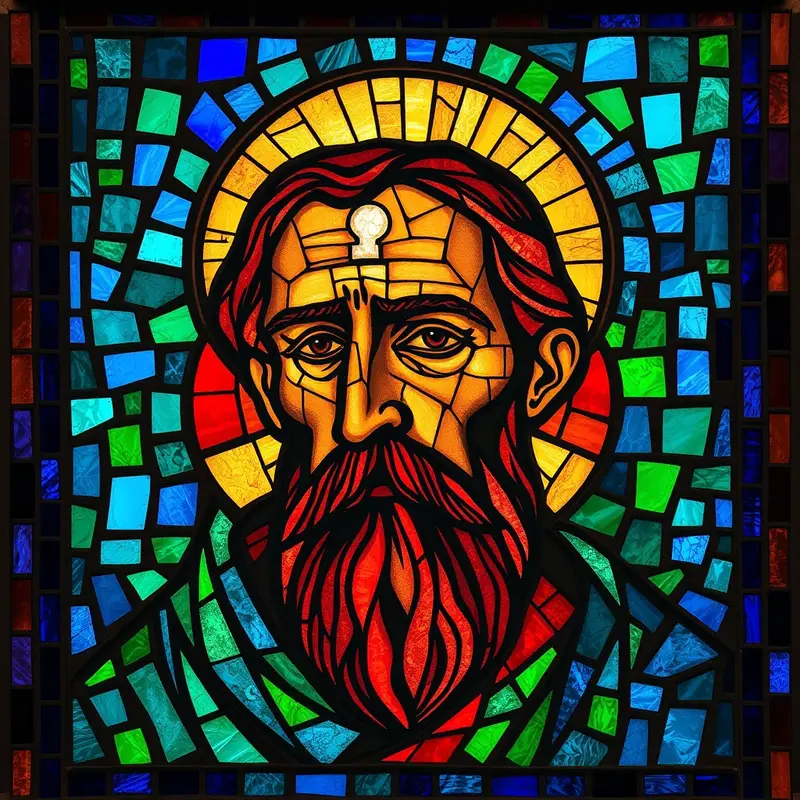
Biography
Hakkoz was the eponymous ancestor of a priestly family that encountered a significant crisis upon returning from the Babylonian exile. When the returnees sought to register as priests in the restored community, Hakkoz's descendants could not locate documentary proof of their priestly lineage and were consequently excluded from serving at the altar (Ezra 2:61–62; Nehemiah 7:63–64).
The governor ruled that they should not eat the most holy food until a priest with a Urim could determine their status, a ruling that underscores the critical importance of documented lineage for priestly office in post-exilic Judaism. This exclusion was not a permanent judgment on their character but a procedural safeguard for the integrity of the restored worship community.
Significance
The case of Hakkoz's priestly descendants raises enduring questions about institutional continuity, documentation, and legitimacy in religious communities. The post-exilic community's insistence on verifiable lineage for priestly service reflects a theology in which proper access to the holy was not a matter of personal sincerity alone but of divinely ordered structure.
Theologically, this episode foreshadows the New Testament's resolution of such anxieties: in Christ, access to God is secured not by genealogical record but by faith and the mediation of the perfect High Priest (Hebrews 4:14–16). The story of Hakkoz's lineage thus points indirectly to the need for a better priesthood and a more secure basis for standing before God.
Verse Appearances (2)
Ezra
Nehemiah
References
- Orr, J. (ed.) (1915) The International Standard Bible Encyclopedia. Chicago: Howard-Severance Company. [Public Domain]
- Tyndale House, Cambridge (n.d.) Translators Individualised Proper Names with all References (TIPNR). STEPBible. Available at: https://www.stepbible.org. [CC BY 4.0]
- Wikidata contributors (n.d.) Wikidata. Available at: https://www.wikidata.org. [CC0]
- Church of England (1769) The Holy Bible, Authorized (King James) Version. [Public Domain]