
Haman
Haman, a high-ranking Persian official, conspired to kill all the Jews in the empire but was ultimately thwarted by Queen Esther and Mordecai.
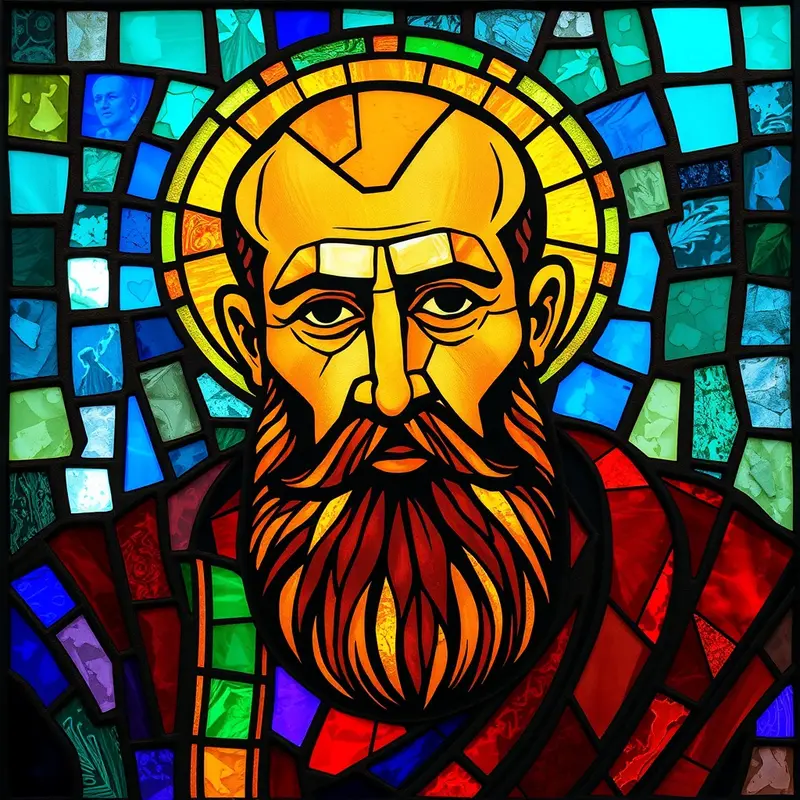
Biography
Haman was the son of Hammedatha the Agagite, elevated by King Ahasuerus (Xerxes I) to the highest office in the Persian court (Esther 3:1). His Agagite heritage links him to the ancient Amalekite royal line, making him a hereditary enemy of Israel. When the Jewish exile Mordecai refused to bow before him, Haman's wounded pride escalated into a genocidal campaign: he persuaded the king to issue an irrevocable edict ordering the annihilation of every Jew in the empire (Esther 3:8–13). He even constructed a towering gallows fifty cubits high on which to hang Mordecai personally. Yet through the courageous intercession of Queen Esther and the providential reversal of royal favor, Haman's plot was exposed. He was hanged on the very gallows he had built, and his ten sons were likewise executed (Esther 7:10; 9:13–14).
Significance
Haman embodies the archetype of evil undone by its own devices, a motif the book of Esther develops with striking irony. His downfall illustrates the biblical principle that those who dig pits for others fall into them themselves (cf. Proverbs 26:27). As a descendant of Agag, his conflict with Mordecai reprises the ancient enmity between Israel and Amalek, connecting to Saul's incomplete obedience (1 Samuel 15). Theologically, Haman's story testifies to God's unseen providential protection of His covenant people even when no divine name is explicitly invoked in the text.
Verse Appearances (45)
Esth
References
- Orr, J. (ed.) (1915) The International Standard Bible Encyclopedia. Chicago: Howard-Severance Company. [Public Domain]
- Tyndale House, Cambridge (n.d.) Translators Individualised Proper Names with all References (TIPNR). STEPBible. Available at: https://www.stepbible.org. [CC BY 4.0]
- Wikidata contributors (n.d.) Wikidata. Available at: https://www.wikidata.org. [CC0]
- Church of England (1769) The Holy Bible, Authorized (King James) Version. [Public Domain]