
Hananiah
Hananiah, a priest, played the trumpet during the dedication ceremony of the rebuilt wall of Jerusalem.
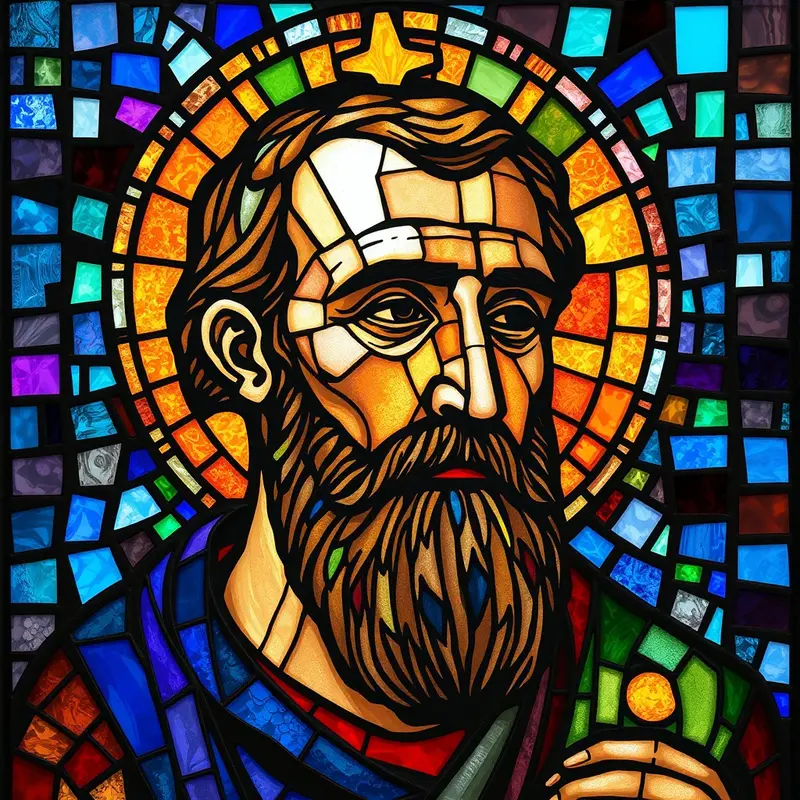
Biography
Hananiah was a priest who participated in the great dedication of Jerusalem's rebuilt wall under Nehemiah, playing the trumpet as part of the processional ceremony recorded in Nehemiah 12:41. The dedication involved two large choirs and groups of leaders processing in opposite directions along the top of the wall, converging at the temple while priests and Levites led worship with cymbals, harps, lyres, and trumpets. As a trumpet-playing priest, Hananiah fulfilled one of the ancient roles of the Aaronic priesthood, the sounding of silver trumpets for assemblies and celebrations as commanded in Numbers 10. His participation placed him within a living liturgical tradition stretching back to the Mosaic period. The trumpets declared that Jerusalem's restoration was a sacred event, a cause for joy before the LORD, and Hananiah's ministry at this moment made him a participant in one of the most theologically significant public worship events of the post-exilic age.
Significance
Hananiah the trumpeting priest represents the convergence of priestly office and public celebration in Israel's worship life. The trumpet in Israelite religion was never merely a musical instrument, it was a sacred signal, summoning the people to the presence of God and marking moments of divine deliverance (Numbers 10:10). By sounding the trumpet at the wall dedication (Nehemiah 12:41), Hananiah declared through an ancient priestly act that God had kept His promises to restore His people and their city. His ministry at this ceremony reminds readers that embodied, musical worship carries genuine theological content. The restoration celebrated that day was not only physical but covenantal, and the priestly trumpets announced it as such.
Verse Appearances (1)
Nehemiah
References
- Orr, J. (ed.) (1915) The International Standard Bible Encyclopedia. Chicago: Howard-Severance Company. [Public Domain]
- Tyndale House, Cambridge (n.d.) Translators Individualised Proper Names with all References (TIPNR). STEPBible. Available at: https://www.stepbible.org. [CC BY 4.0]
- Wikidata contributors (n.d.) Wikidata. Available at: https://www.wikidata.org. [CC0]
- Church of England (1769) The Holy Bible, Authorized (King James) Version. [Public Domain]