
Iddo
Iddo, also known as Adaia, was a priest who returned to Jerusalem with Zerubbabel and was head of a priestly family during the time of Joiakim.
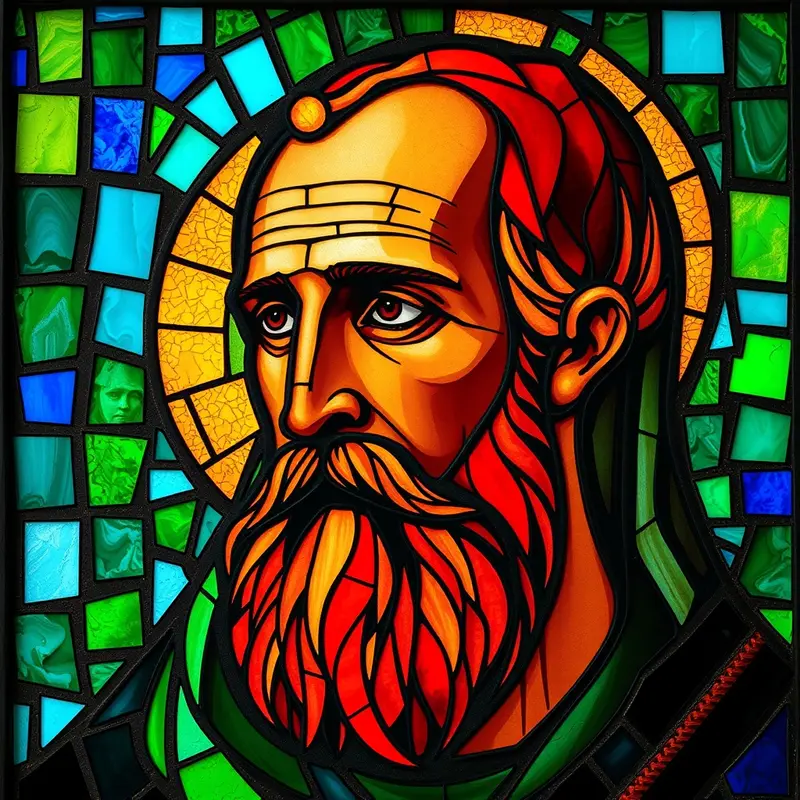
Biography
Iddo, also identified as Adaiah, was a priest who returned to Jerusalem from Babylon in the first wave of exiles under Zerubbabel following Cyrus's decree. He is listed in Nehemiah 12:4 among the priests who came with Zerubbabel and Jeshua, and in Nehemiah 12:15–16, he appears as the head of the priestly family of Iddo during the high priesthood of Joiakim. The dual name, Iddo and Adaiah, likely reflects either a variant tradition or a personal name alongside a priestly family name. His place among the priestly rosters of the restoration period indicates active participation in re-establishing temple worship in Jerusalem after the long decades of Babylonian captivity.
Significance
Iddo/Adaiah represents the priestly class whose faithful service was indispensable to the spiritual reconstitution of post-exilic Israel. The restoration was not merely political, the return of priests to their inherited offices meant the resumption of daily sacrifice, sabbath observance, and festival celebrations that renewed Israel's covenant identity. The careful preservation of priestly genealogies in Nehemiah 12 reflects the community's understanding that legitimate worship required legitimate lineage. This Iddo's faithfulness in returning and serving continues the pattern of priestly fidelity that pointed, ultimately, to the perfect high priest Jesus Christ, who would bring all priestly ministry to its eschatological fulfillment (Hebrews 4:14–5:10).
Verse Appearances (2)
Nehemiah
References
- Orr, J. (ed.) (1915) The International Standard Bible Encyclopedia. Chicago: Howard-Severance Company. [Public Domain]
- Tyndale House, Cambridge (n.d.) Translators Individualised Proper Names with all References (TIPNR). STEPBible. Available at: https://www.stepbible.org. [CC BY 4.0]
- Wikidata contributors (n.d.) Wikidata. Available at: https://www.wikidata.org. [CC0]
- Church of England (1769) The Holy Bible, Authorized (King James) Version. [Public Domain]