
Imlah
Imlah was the father of Micaiah, a prophet who spoke the truth to King Ahab of Israel, despite the king's displeasure.
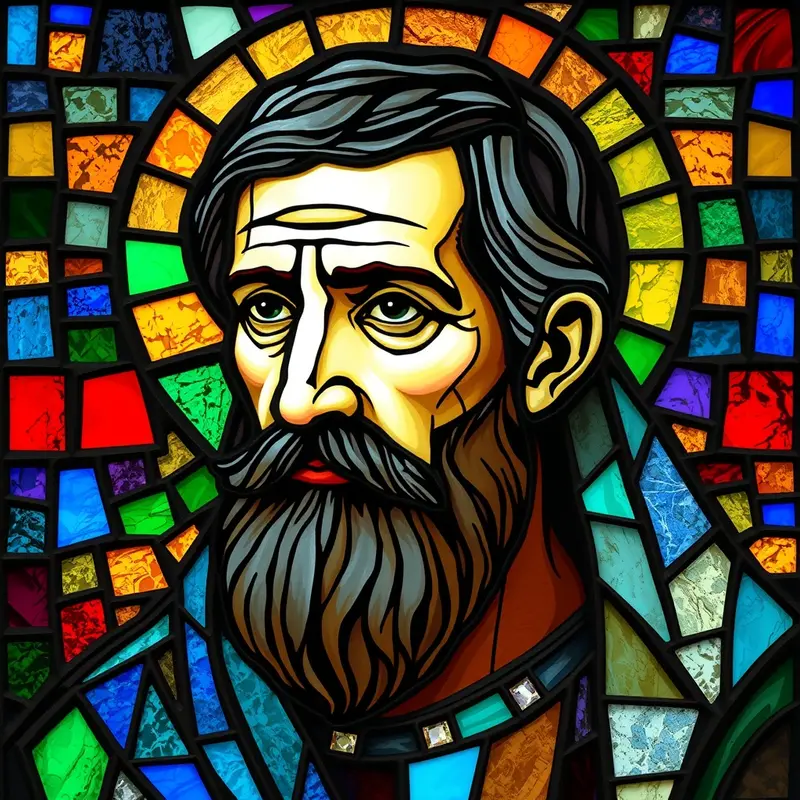
Biography
Imlah is known in Scripture exclusively as the father of Micaiah, the bold and uncompromising prophet of the northern kingdom of Israel who confronted Kings Ahab and Jehoshaphat before the ill-fated battle of Ramoth-gilead (1 Kings 22:8–28; 2 Chronicles 18:7–27). When summoned before the two kings, Micaiah delivered a vision of Israel scattered like sheep without a shepherd and an oracle of doom against Ahab, directly contradicting the four hundred court prophets who had promised victory. Ahab despised Micaiah and had him imprisoned. Beyond fathering this courageous prophet, nothing else is recorded of Imlah himself. He is identified simply as the man whose son refused to prophesy anything other than what the LORD revealed.
Significance
Imlah's significance is entirely bound up with the son he raised, Micaiah, one of the most striking exemplars of prophetic courage in the Old Testament. That Micaiah is consistently identified as "son of Imlah" rather than merely by his own name suggests that his father was a figure of some recognition. Whatever Imlah imparted to his son, whether spiritual formation, moral courage, or a tradition of prophetic integrity, its fruit was a man who stood alone against the pressure of kings, court prophets, and popular opinion to speak only the truth of God. Imlah's legacy is thus a legacy of truthfulness transmitted to the next generation, a gift of incalculable value.
Verse Appearances (4)
References
- Orr, J. (ed.) (1915) The International Standard Bible Encyclopedia. Chicago: Howard-Severance Company. [Public Domain]
- Tyndale House, Cambridge (n.d.) Translators Individualised Proper Names with all References (TIPNR). STEPBible. Available at: https://www.stepbible.org. [CC BY 4.0]
- Wikidata contributors (n.d.) Wikidata. Available at: https://www.wikidata.org. [CC0]
- Church of England (1769) The Holy Bible, Authorized (King James) Version. [Public Domain]