
Javan
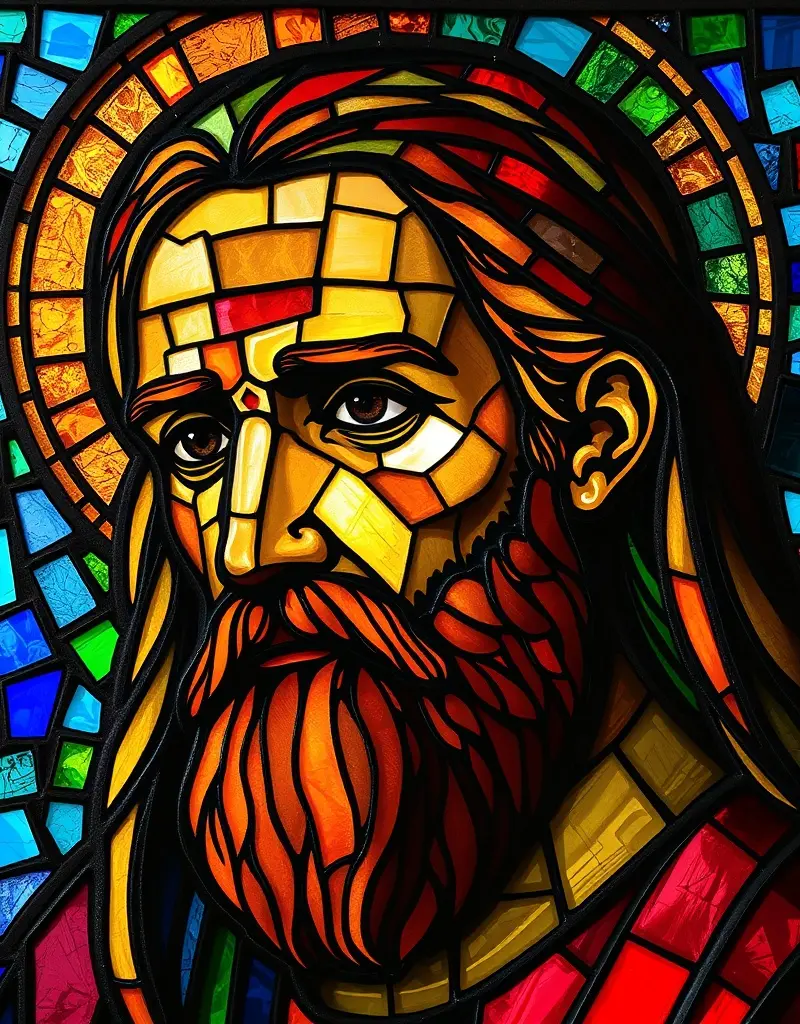
Javan, the ancestor of the Greek people, was a son of Japheth and grandson of Noah.
Biography
Javan was the fourth son of Japheth and grandson of Noah, listed in the Table of Nations in Genesis 10:2–4. His name (Hebrew: Yavan) is cognate with the Greek Ionia and is universally recognized in ancient Near Eastern texts as the eponymous ancestor of the Greek people. In Assyrian and Hebrew sources alike, "Javan" denotes Greece and the Aegean world. His sons, Elishah, Tarshish, Kittim, and Dodanim, are associated with various Greek, Cypriot, and western Mediterranean populations. The Hebrew prophets, including Isaiah, Ezekiel, and Joel, reference Javan as a distant maritime trading nation, illustrating Israel's awareness of the expanding Greek world.
Significance
Javan's place in the Table of Nations reflects the biblical conviction that all human peoples, including the Greeks, trace their origin to the single family of Noah and are therefore part of God's sovereign plan for humanity. The prophetic references to Javan in Joel 3:6, Isaiah 66:19, and Ezekiel 27:13 demonstrate that Israel understood its calling to be a light to all nations, including the Greeks. Historically, the Greek world would become the vehicle through which the New Testament was written and disseminated, and Alexander the Great's Hellenistic conquests prepared the cultural and linguistic conditions for the spread of the gospel, a providential irony rooted in Javan's ancient lineage.
Verse Appearances (31)
Genesis
1 Chronicles
Joel
Galatians
Colossians
Mark
References
- Orr, J. (ed.) (1915) The International Standard Bible Encyclopedia. Chicago: Howard-Severance Company. [Public Domain]
- Tyndale House, Cambridge (n.d.) Translators Individualised Proper Names with all References (TIPNR). STEPBible. Available at: https://www.stepbible.org. [CC BY 4.0]
- Church of England (1769) The Holy Bible, Authorized (King James) Version. [Public Domain]