
Jehoiakim
Jehoiakim, also known as Eliakim, was a king of Judah who reigned for eleven years before being succeeded by his son Jehoiachin.
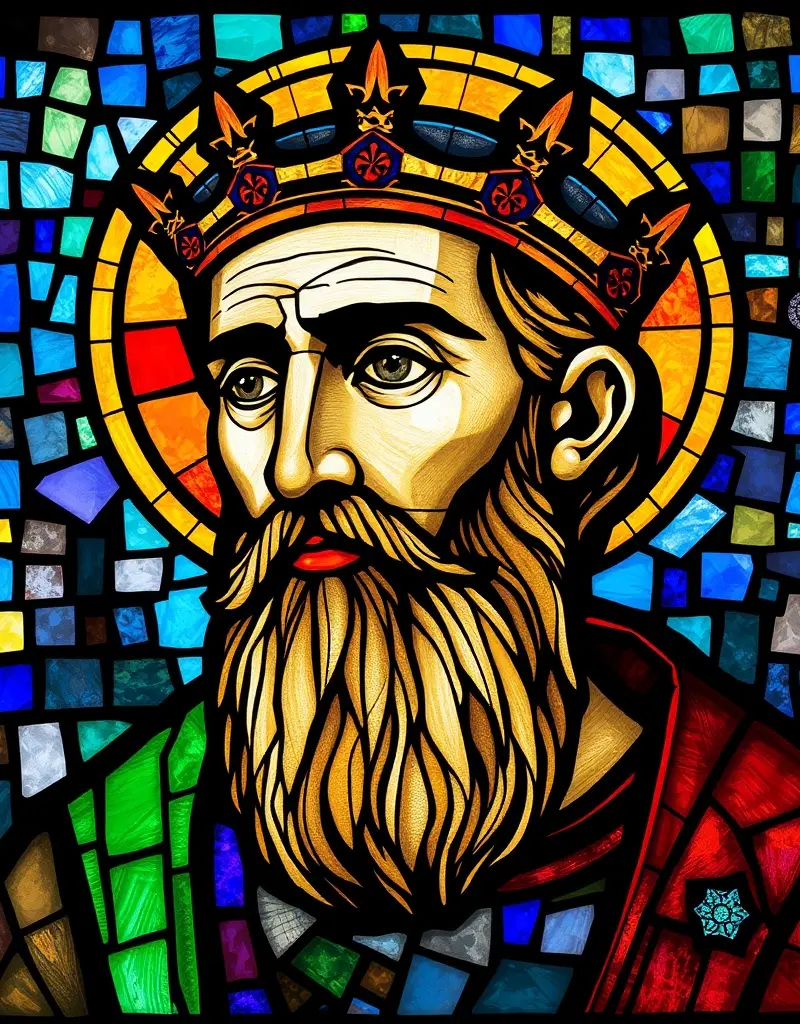
Biography
Jehoiakim, born Eliakim, was renamed by Pharaoh Necho II when he was placed on Judah's throne as a vassal king in 609 BC (2 Kings 23:34). He reigned eleven years under Egyptian and later Babylonian suzerainty, proving himself a thoroughly corrupt ruler. The prophet Jeremiah sharply condemned him for building lavish palaces through forced labor (Jeremiah 22:13–17) and for burning Jeremiah's scroll rather than heeding its warnings (Jeremiah 36:23). He murdered the prophet Uriah (Jeremiah 26:23) and ultimately rebelled against Nebuchadnezzar, triggering an invasion. He died under disputed circumstances and was reportedly denied a proper burial, an ignominious end Jeremiah had foretold (Jeremiah 22:19). His son Jehoiachin succeeded him.
Significance
Jehoiakim stands as a sobering example of a ruler who hardened himself against divine warning. His burning of Jeremiah's scroll symbolizes the human impulse to silence prophetic rebuke rather than submit to it. Theologically, his reign illustrates the connection between covenant faithfulness and national security, Judah's subjugation under Babylon was not mere political misfortune but divine judgment. Despite his wickedness, he appears in Matthew's genealogy of Jesus (Matthew 1:11), reminding readers that God's redemptive purposes advance even through broken human lineages.
Verse Appearances (37)
1 Chronicles
Jeremiah
Daniel
References
- Orr, J. (ed.) (1915) The International Standard Bible Encyclopedia. Chicago: Howard-Severance Company. [Public Domain]
- Tyndale House, Cambridge (n.d.) Translators Individualised Proper Names with all References (TIPNR). STEPBible. Available at: https://www.stepbible.org. [CC BY 4.0]
- Church of England (1769) The Holy Bible, Authorized (King James) Version. [Public Domain]