
Jehoshaphat
Jehoshaphat was the father of Jehu, who became king of Israel.
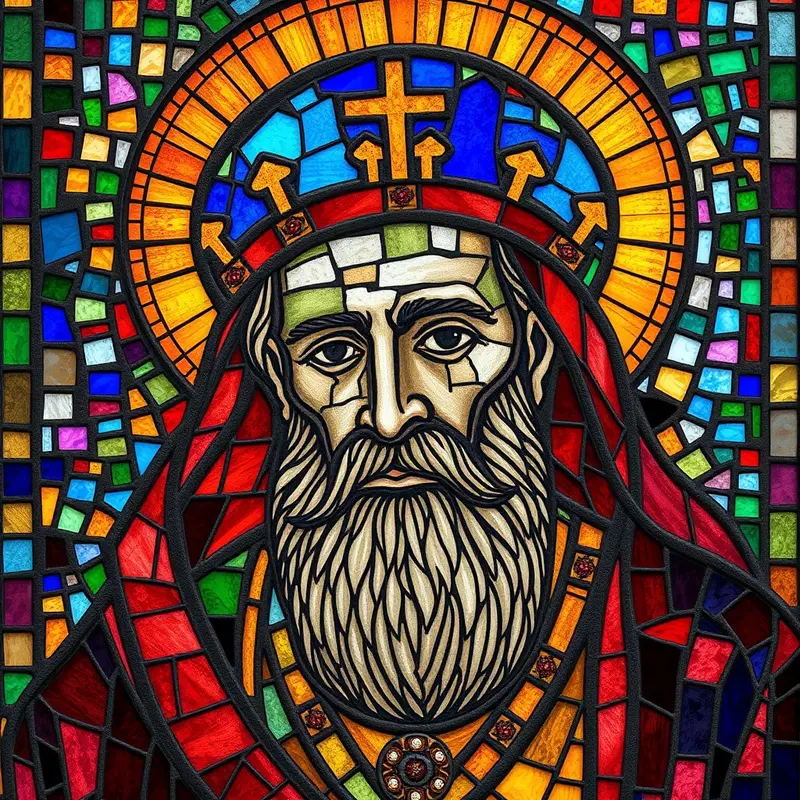
Biography
Jehoshaphat, the son of Nimshi (2 Kings 9:2), is known in Scripture primarily as the father of Jehu, the military commander whom the prophet Elisha anointed as king over Israel. When Elisha's servant sought out Jehu among the army commanders at Ramoth-gilead, he addressed him as 'Jehu son of Jehoshaphat son of Nimshi' (2 Kings 9:2), indicating that Jehoshaphat himself was known but that Jehu's identity was further secured by naming his grandfather Nimshi as well. Beyond his paternal role, Scripture records nothing of Jehoshaphat's own deeds or character. He stands in the genealogical background of one of Israel's most dramatic episodes, the violent purge of the Omride dynasty.
Significance
Jehoshaphat's significance lies entirely in the son he fathered. Jehu's anointing and subsequent actions fulfilled multiple divine prophecies, including the judgment on the house of Ahab foretold by Elijah (1 Kings 21:21–24). Through Jehoshaphat's lineage, God's word of judgment came to pass in one of the Old Testament's most violent and theologically charged episodes. Jehoshaphat thus illustrates that ancestry carries consequence, that the children born to us may become instruments of divine purposes far exceeding their parents' own historical footprint.
Verse Appearances (2)
References
- Orr, J. (ed.) (1915) The International Standard Bible Encyclopedia. Chicago: Howard-Severance Company. [Public Domain]
- Tyndale House, Cambridge (n.d.) Translators Individualised Proper Names with all References (TIPNR). STEPBible. Available at: https://www.stepbible.org. [CC BY 4.0]
- Wikidata contributors (n.d.) Wikidata. Available at: https://www.wikidata.org. [CC0]
- Church of England (1769) The Holy Bible, Authorized (King James) Version. [Public Domain]