
Jezebel
Queen Jezebel, the Phoenician wife of King Ahab, promoted Baal worship and persecuted the prophets of God (1Ki.16.31; 18.4,13,19; 19.1,2; 21; 2Ki.9.7,10,22,30,36,37).
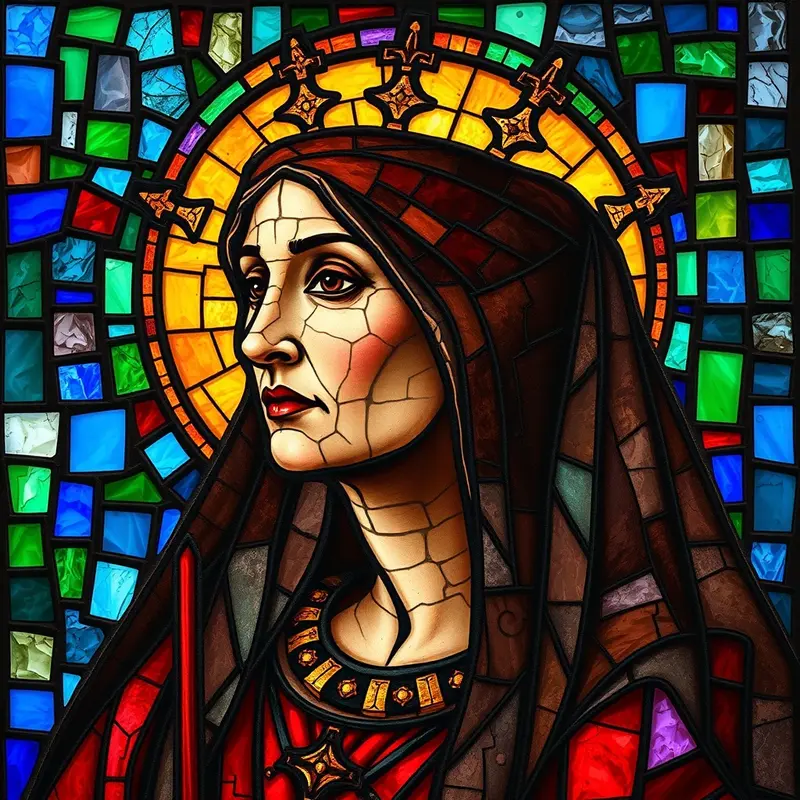
Biography
Jezebel was the daughter of Ethbaal, king of Sidon, who became the wife of King Ahab of Israel (reigned c. 874-853 BC) as part of a political alliance (1 Kgs. 16:31). A devoted worshiper of the Phoenician deity Baal, she imported four hundred and fifty prophets of Baal and four hundred prophets of Asherah into Israel (1 Kgs. 18:19), systematically massacred the prophets of the LORD (1 Kgs. 18:13), and orchestrated the judicial murder of Naboth to seize his vineyard (1 Kgs. 21). She became the relentless enemy of the prophet Elijah, who publicly humiliated her prophets on Mount Carmel. Her death was violent and prophetically foretold, she was thrown from a window and devoured by dogs in Jezreel (2 Kgs. 9:30-37), fulfilling Elijah's pronouncement (1 Kgs. 21:23).
Significance
Jezebel stands as one of Scripture's most powerful negative exemplars of idolatrous political power and its corrupting influence on covenant faithfulness. Her influence extended beyond her lifetime; the Chronicler identifies her daughter Athaliah as the instrument through whom Baal worship entered Judah (2 Chr. 22:2-3), nearly exterminating the Davidic line. In the New Testament, Revelation 2:20 employs 'Jezebel' as a symbolic name for a false prophetess in Thyatira who led believers into sexual immorality and idolatry, demonstrating the enduring typological significance of her character. Her story underscores the prophetic teaching that opposition to God's word, however powerful, ultimately falls under divine judgment, and that faithfulness to the covenant demands resistance to syncretistic compromise.
Verse Appearances (20)
References
- Orr, J. (ed.) (1915) The International Standard Bible Encyclopedia. Chicago: Howard-Severance Company. [Public Domain]
- Tyndale House, Cambridge (n.d.) Translators Individualised Proper Names with all References (TIPNR). STEPBible. Available at: https://www.stepbible.org. [CC BY 4.0]
- Wikidata contributors (n.d.) Wikidata. Available at: https://www.wikidata.org. [CC0]
- Church of England (1769) The Holy Bible, Authorized (King James) Version. [Public Domain]