
Joiakim
Joiakim served as a high priest during the early Persian period, succeeding his father Jeshua (Neh.12.10,10,12,26).
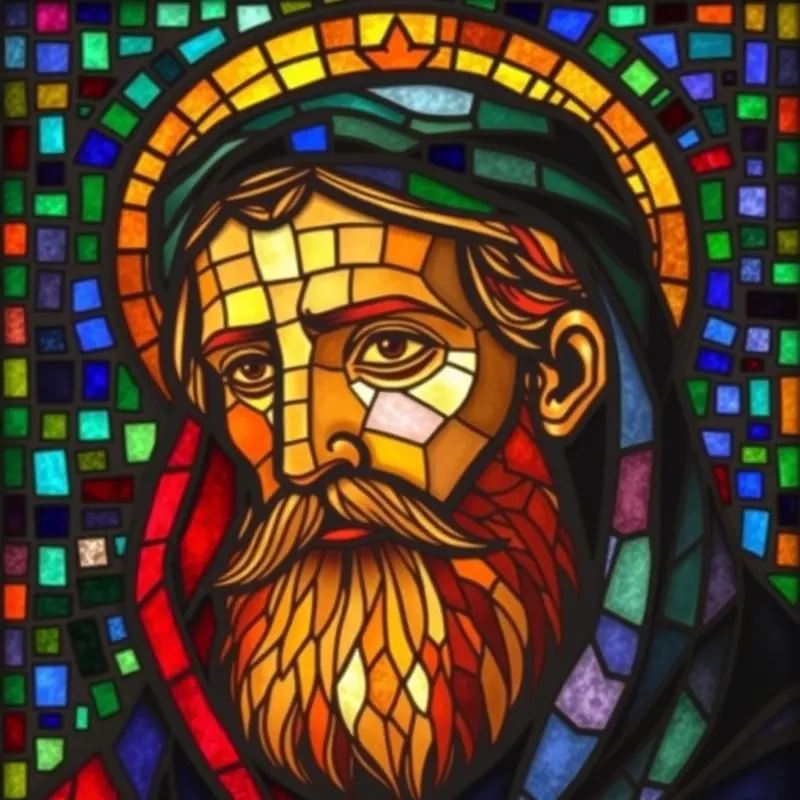
Biography
Joiakim served as high priest in Jerusalem during the early Persian period, following in the footsteps of his father Jeshua, the celebrated high priest who returned with Zerubbabel from Babylonian exile, and preceding his own son Eliashib (Nehemiah 12:10, 12, 26). His high priesthood is situated in the pivotal generation after the initial return, as the restored community worked to consolidate its religious institutions and priestly structures. Nehemiah 12:12–21 records the priestly families who served under Joiakim's leadership, preserving their names alongside his, a testament to the importance his tenure held in the priestly records. Though no dramatic events are attached to his name, his faithful stewardship of the high priestly office helped stabilize worship in a community still finding its footing after decades of exile.
Significance
Joiakim's high priesthood represents the essential work of institutional faithfulness, the quiet maintenance of God's covenant structures between dramatic moments of national crisis and renewal. Standing between the celebrated Jeshua, who oversaw the founding of the second temple, and Eliashib, who served in Nehemiah's day, Joiakim ensured generational continuity in Israel's most sacred office. This continuity of the Aaronic priesthood across the postexilic period is theologically significant as a backdrop to the New Testament's proclamation that Christ is the eternal High Priest who supersedes and fulfills the entire Levitical system (Hebrews 4–7).
Verse Appearances (3)
References
- Orr, J. (ed.) (1915) The International Standard Bible Encyclopedia. Chicago: Howard-Severance Company. [Public Domain]
- Tyndale House, Cambridge (n.d.) Translators Individualised Proper Names with all References (TIPNR). STEPBible. Available at: https://www.stepbible.org. [CC BY 4.0]
- Wikidata contributors (n.d.) Wikidata. Available at: https://www.wikidata.org. [CC0]
- Church of England (1769) The Holy Bible, Authorized (King James) Version. [Public Domain]