
Joiarib
Joiarib (or Jehoiarib) was a priestly family that returned from the Babylonian exile and settled in Jerusalem (Neh.11.10; 12.6,19; 1Ch.9.10).
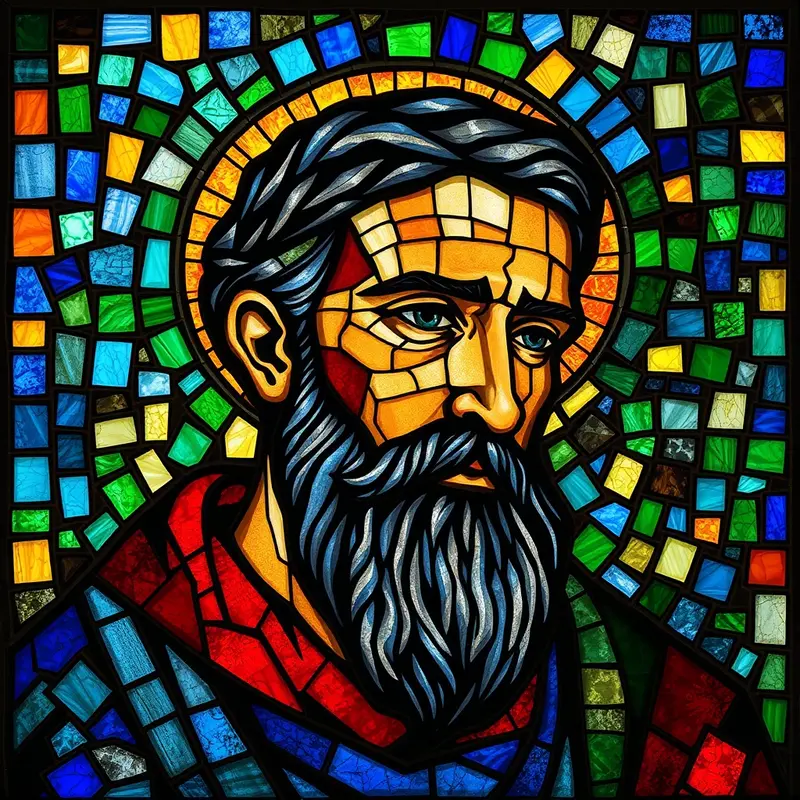
Biography
Joiarib, also known as Jehoiarib, was the head of a distinguished priestly family that returned from the Babylonian exile and took up residence in Jerusalem (1 Chronicles 9:10; Nehemiah 11:10; 12:6, 19). In 1 Chronicles 24:7, Jehoiarib is listed as the head of the first of the twenty-four priestly divisions established by David for the rotation of temple service, making this family line one of the most prominent in all of Israel's priestly order. The family's name appears across multiple postexilic registers, confirming that the Joiarib/Jehoiarib priestly clan maintained an active and recognized role in Jerusalem's restored worship community. Later Jewish tradition also associated this family with the Maccabean priestly dynasty, though the biblical text itself does not extend the narrative that far.
Significance
The Joiarib/Jehoiarib priestly family occupies a foundational place in Israel's liturgical order, heading the very first of the twenty-four priestly divisions. This privileged position meant that their descendants were called upon first in the rotating cycle of temple service, a distinction carrying both honor and responsibility. Their faithful return from exile and reintegration into Jerusalem's priestly community demonstrates the remarkable continuity of Israel's worship institutions across the catastrophe of Babylonian conquest. Theologically, this family's persistence points to God's determination to preserve the instruments of atonement and covenant worship until the coming of the one true Priest who would fulfill them all.
Verse Appearances (1)
Nehemiah
References
- Orr, J. (ed.) (1915) The International Standard Bible Encyclopedia. Chicago: Howard-Severance Company. [Public Domain]
- Tyndale House, Cambridge (n.d.) Translators Individualised Proper Names with all References (TIPNR). STEPBible. Available at: https://www.stepbible.org. [CC BY 4.0]
- Wikidata contributors (n.d.) Wikidata. Available at: https://www.wikidata.org. [CC0]
- Church of England (1769) The Holy Bible, Authorized (King James) Version. [Public Domain]