
Kittim
Kittim, a descendant of Japheth, son of Noah (Gen.10.4; 1Ch.1.7).
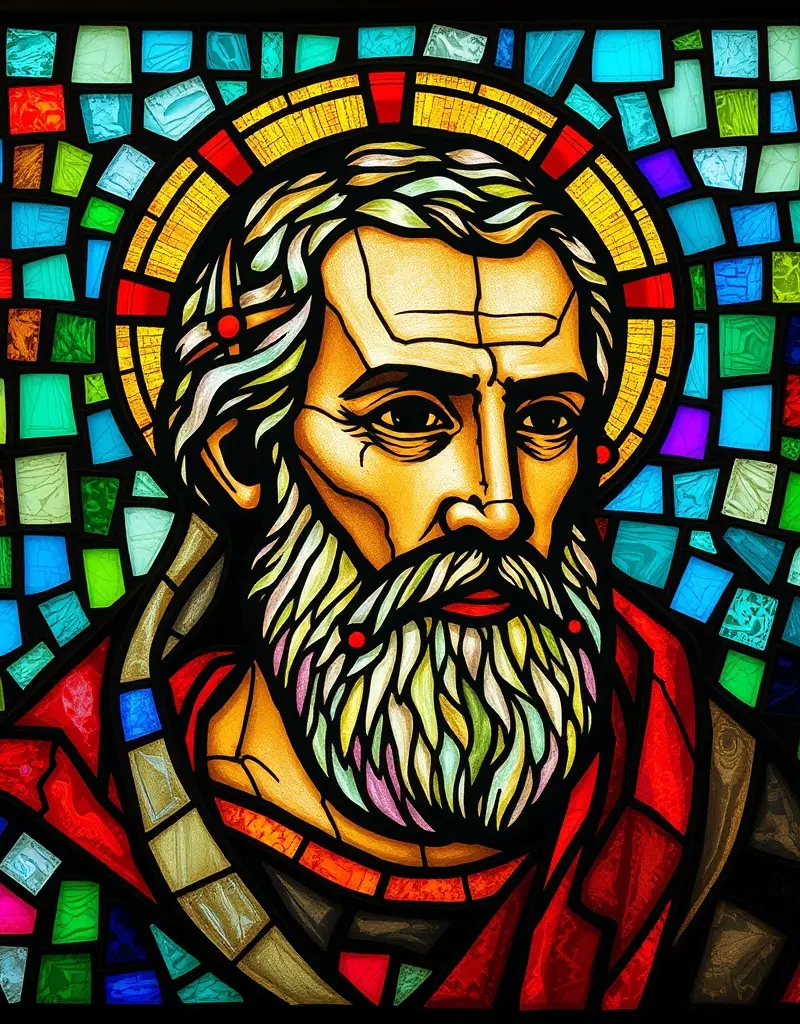
Biography
Kittim appears in the Table of Nations as a descendant of Japheth through his son Javan, making him a great-grandson of Noah (Genesis 10:4; 1 Chronicles 1:7). His name became associated with the peoples and lands of the western Mediterranean, particularly the island of Cyprus (known in antiquity as Kition or Kittim), and more broadly with maritime western nations. In later prophetic and apocalyptic literature, "Kittim" became a fluid designation for powerful western empires, the term appears in Numbers 24:24, Daniel 11:30, and the Dead Sea Scrolls, where it refers at various times to Greeks and Romans. Thus Kittim represents not merely a single individual but an eponymous ancestor giving identity to entire peoples and geographical regions in the ancient world.
Significance
Kittim's theological significance is found within the structure of the Table of Nations in Genesis 10, which presents all humanity as sharing common descent from Noah's sons, a radical affirmation of human unity and divine sovereignty over all peoples. The later prophetic use of "Kittim" to denote world empires (Daniel 11; Num. 24) demonstrates how biblical genealogy flows naturally into eschatology: the nations descended from Noah's sons are the very nations among which God's redemptive drama unfolds. Kittim thus represents the expansive scope of biblical history, from creation's origins to the end-time conflicts of the prophets, within which Israel's story is embedded.
Verse Appearances (2)
Genesis
1 Chronicles
References
- Orr, J. (ed.) (1915) The International Standard Bible Encyclopedia. Chicago: Howard-Severance Company. [Public Domain]
- Tyndale House, Cambridge (n.d.) Translators Individualised Proper Names with all References (TIPNR). STEPBible. Available at: https://www.stepbible.org. [CC BY 4.0]
- Church of England (1769) The Holy Bible, Authorized (King James) Version. [Public Domain]