
Korah
Korah, an Edomite chief, descendant of Eliphaz, son of Esau (Gen.36.16).
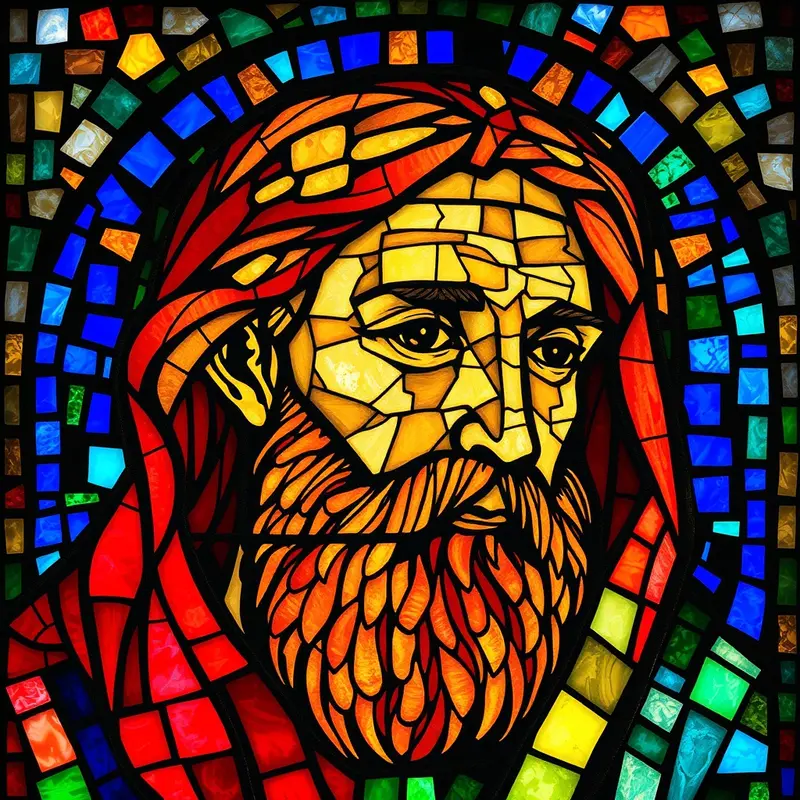
Biography
This Korah was a chief among the Edomites, listed in the genealogical records of Esau's descendants as a son of Eliphaz, Esau's firstborn son (Genesis 36:16). As an Edomite clan chief, or "alluf," Korah would have exercised tribal leadership over a portion of the Edomite people who settled in the region of Seir south of Canaan. The Edomites, descendants of Esau, maintained a tense but recognized kinship with Israel throughout the Old Testament period. While this Korah's personal biography is not elaborated upon, his inclusion in the Table of Edomite Chiefs (Gen. 36:15–19) reflects the biblical interest in tracing all nations back to their founding families and acknowledging the scope of God's governance over peoples beyond Israel's borders.
Significance
Korah the Edomite chief occupies a place in Scripture's expansive genealogical vision, which tracks the development of nations beyond Israel as part of God's ordering of humanity. Edom's lineage through Esau is treated with theological seriousness throughout the Old Testament, the nations are not peripheral to God's purposes but are subject to his sovereignty and governance. This Korah reminds readers that the biblical narrative is not narrowly tribal but encompasses the whole of human social organization. At the same time, the Edomite chiefs stand as a foil to the covenant community of Israel, highlighting the distinction between those chosen for redemptive purposes and those who remain outside the line of promise.
Verse Appearances (1)
Genesis
References
- Orr, J. (ed.) (1915) The International Standard Bible Encyclopedia. Chicago: Howard-Severance Company. [Public Domain]
- Tyndale House, Cambridge (n.d.) Translators Individualised Proper Names with all References (TIPNR). STEPBible. Available at: https://www.stepbible.org. [CC BY 4.0]
- Wikidata contributors (n.d.) Wikidata. Available at: https://www.wikidata.org. [CC0]
- Church of England (1769) The Holy Bible, Authorized (King James) Version. [Public Domain]