
Lahad
Lahad, a descendant of Judah through Jahath (1Ch.4.2).
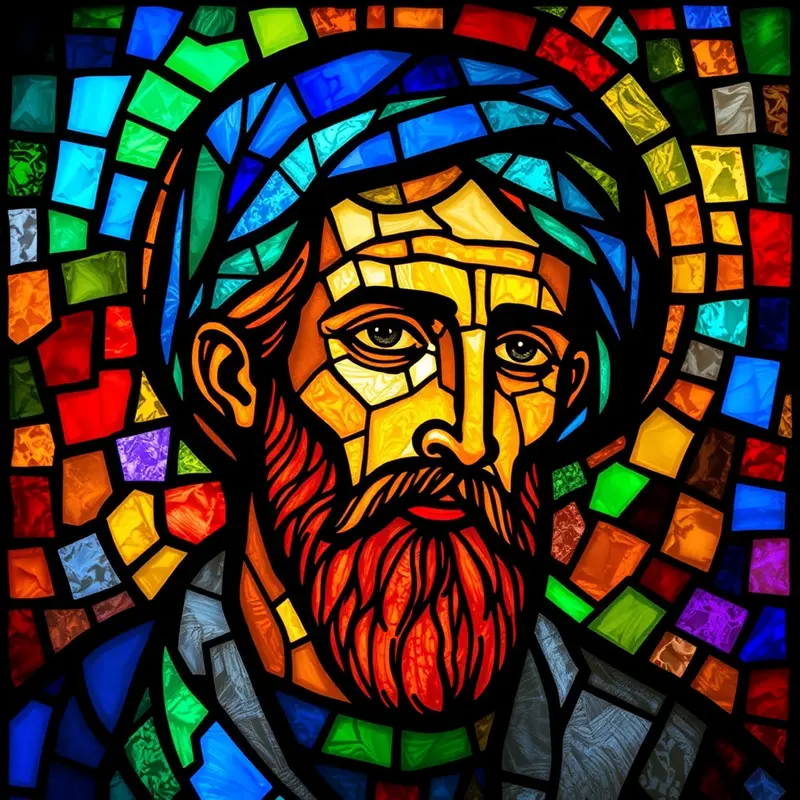
Biography
Lahad is a figure briefly mentioned in the genealogical records of the tribe of Judah preserved in 1 Chronicles 4:2. He appears as a descendant of Judah through Shobal and Jahath, belonging to the clan of Zorathites. Though his life story is not recounted in any narrative portion of Scripture, his name, possibly meaning "to be languid" or related to a concept of deliberate pace, is preserved within a careful genealogical register. These Chronicles genealogies were compiled with deliberate intent, tracing the lineage of God's covenant people through generations of the Divided Monarchy. Lahad represents one of the countless individuals whose names were considered worth preserving in the sacred record, bearing witness to the fact that God's covenant community was built from real families, clans, and households whose histories stretched across centuries.
Significance
Though Lahad appears only in a genealogical list (1 Chronicles 4:2), his inclusion in the divinely inspired record carries theological weight. The Chronicles genealogies served as a reminder to the post-exilic community that the covenant people of God had deep roots stretching back through generations. Every name preserved in these lists assured Israel that God had not forgotten any member of his covenant family. Lahad's place in Judah's lineage testifies to the faithfulness of God in maintaining his people through ordinary families and unnamed lives. His record reminds readers that significance in God's economy is not measured by fame or narrative prominence, but by belonging to the community of God's people.
Verse Appearances (1)
1Chr
References
- Orr, J. (ed.) (1915) The International Standard Bible Encyclopedia. Chicago: Howard-Severance Company. [Public Domain]
- Tyndale House, Cambridge (n.d.) Translators Individualised Proper Names with all References (TIPNR). STEPBible. Available at: https://www.stepbible.org. [CC BY 4.0]
- Wikidata contributors (n.d.) Wikidata. Available at: https://www.wikidata.org. [CC0]
- Church of England (1769) The Holy Bible, Authorized (King James) Version. [Public Domain]