
Lo-ruhamah
Lo-ruhamah, meaning "not pitied," was the symbolic name given to Hosea's daughter, representing God's withdrawal of mercy from Israel (Hos.1.6,8).
Biography
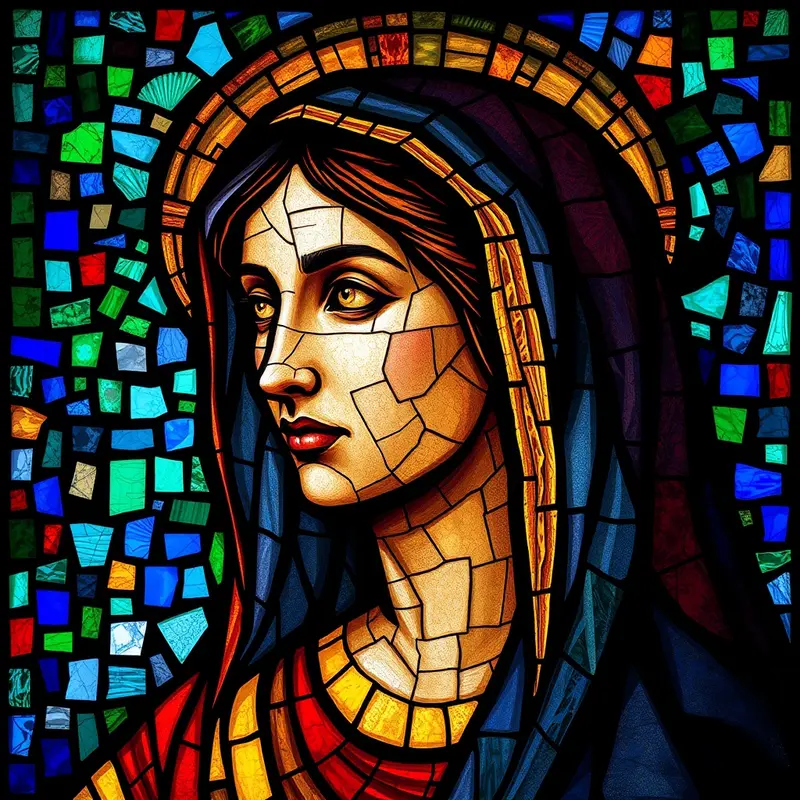
Lo-ruhamah was the daughter of the prophet Hosea and his wife Gomer, born during a period of deep spiritual crisis in the northern kingdom of Israel. God instructed Hosea to name her Lo-ruhamah, meaning "not pitied" or "no mercy," signifying that God would no longer show compassion to the house of Israel or forgive their sins (Hosea 1:6). She was the second of three children whose names functioned as prophetic declarations, born after Jezreel and before Lo-ammi. Her name carried an especially poignant message as it contrasted with God's fundamental character as compassionate and merciful. The prophecy specifically targeted the northern kingdom while extending a word of hope to Judah, indicating that God would still show mercy to the southern kingdom (Hosea 1:7).
Significance
Lo-ruhamah represents one of the most striking prophetic sign-acts in Scripture, embodying the withdrawal of divine mercy from a nation that had exhausted God's patience through persistent unfaithfulness. Her name challenged Israel's presumption upon grace, warning that covenant blessings could be forfeited through unrepentant sin. Yet the theological arc of Hosea transforms this name of judgment into a promise of restoration: "I will have mercy on Lo-ruhamah" (Hosea 2:23). Peter applies this reversal to the church, declaring that believers are those who "once had not received mercy but now have received mercy" (1 Peter 2:10). Lo-ruhamah thus prefigures the gospel's extension of divine compassion to all who repent.
Verse Appearances (2)
References
- Orr, J. (ed.) (1915) The International Standard Bible Encyclopedia. Chicago: Howard-Severance Company. [Public Domain]
- Tyndale House, Cambridge (n.d.) Translators Individualised Proper Names with all References (TIPNR). STEPBible. Available at: https://www.stepbible.org. [CC BY 4.0]
- Wikidata contributors (n.d.) Wikidata. Available at: https://www.wikidata.org. [CC0]
- Church of England (1769) The Holy Bible, Authorized (King James) Version. [Public Domain]