
Maaseiah
Maaseiah, a descendant of Shiloni, lived in Jerusalem after the exile (Neh.11.5).
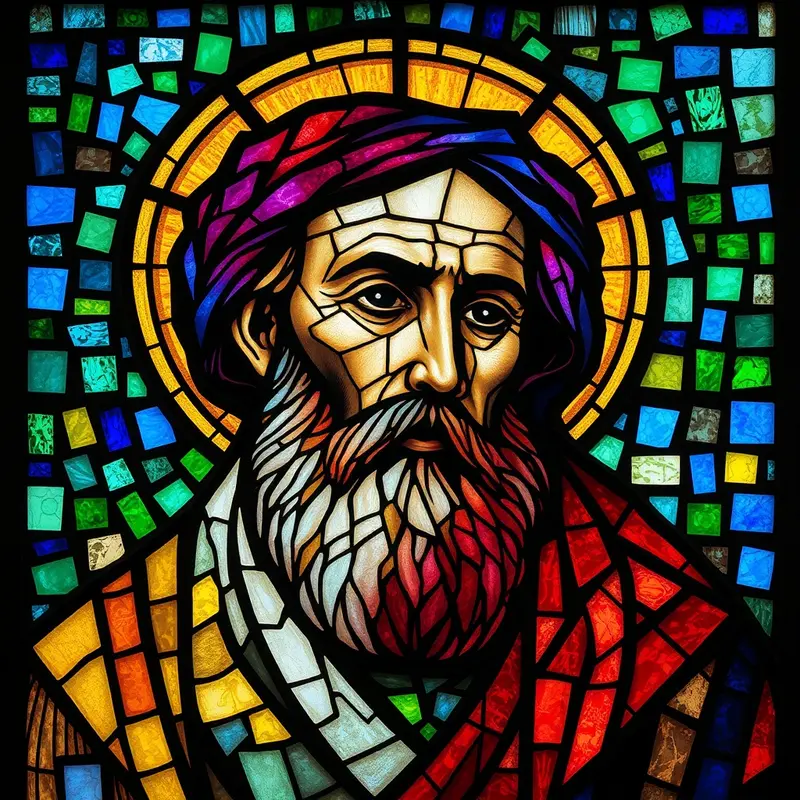
Biography
Maaseiah, a descendant of Shiloni (or Shelah) of the tribe of Judah, was among those who resettled in Jerusalem following the return from Babylonian exile. His name appears in the genealogical register of Nehemiah 11:5, which documents the families who volunteered or were chosen by lot to repopulate the holy city. After the walls had been rebuilt under Nehemiah's leadership, Jerusalem remained sparsely inhabited, and resettlement was essential for the city's viability and defense. Maaseiah's lineage through the prominent Judahite clan connected him to the tribal heritage that carried special significance as the line from which Israel's kings and ultimately the Messiah would come. His willingness to establish his household in Jerusalem contributed to the city's restoration as the center of Jewish communal and religious life.
Significance
Maaseiah's resettlement in Jerusalem exemplifies the sacrificial commitment required to rebuild a devastated community. Nehemiah 11:2 notes that the people blessed all who willingly offered to live in Jerusalem, suggesting that this relocation involved genuine personal sacrifice, as life in the outlying towns was likely more comfortable and prosperous. As a member of the tribe of Judah, Maaseiah's presence in Jerusalem carried additional theological weight, reinforcing the tribal identity of the holy city as Judah's capital. His quiet act of obedience reminds us that the restoration of God's purposes often depends on ordinary individuals willing to make unglamorous commitments for the sake of the larger community.
Verse Appearances (1)
Nehemiah
References
- Orr, J. (ed.) (1915) The International Standard Bible Encyclopedia. Chicago: Howard-Severance Company. [Public Domain]
- Tyndale House, Cambridge (n.d.) Translators Individualised Proper Names with all References (TIPNR). STEPBible. Available at: https://www.stepbible.org. [CC BY 4.0]
- Wikidata contributors (n.d.) Wikidata. Available at: https://www.wikidata.org. [CC0]
- Church of England (1769) The Holy Bible, Authorized (King James) Version. [Public Domain]