
Maaseiah
Maaseiah, a priest, participated in the dedication of Jerusalem's wall during the time of Nehemiah (Neh.12.41).
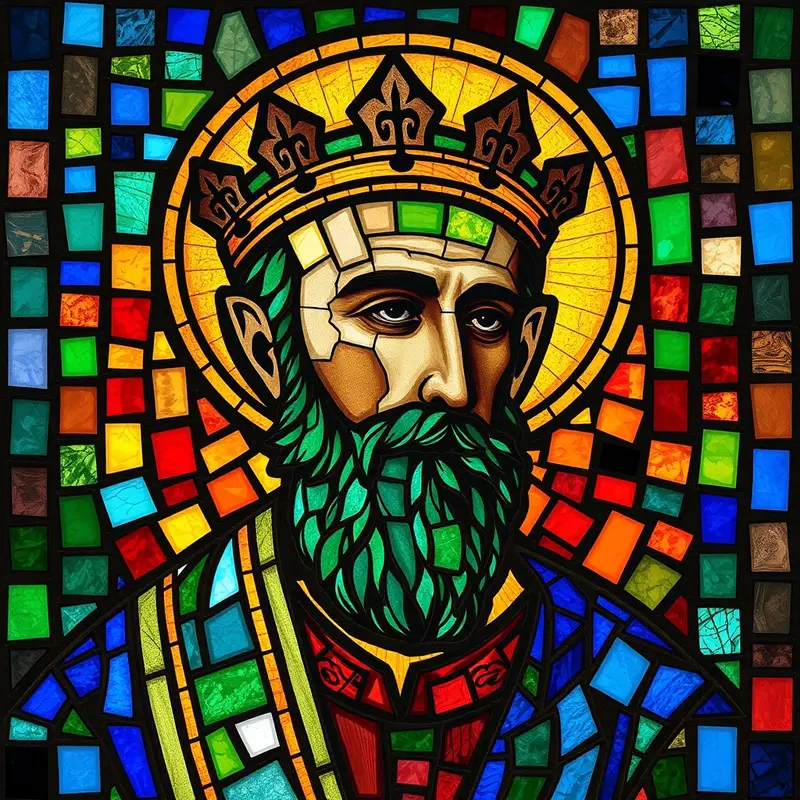
Biography
Maaseiah was a priest who participated in the grand dedication ceremony for the rebuilt walls of Jerusalem as recorded in Nehemiah 12:41. He served among a distinguished group of priests who blew trumpets during the celebratory procession, joining colleagues including Eliakim, Elioenai, Zechariah, and Hananiah. This dedication ceremony was a momentous occasion for the returned exiles, marking the completion of the wall-rebuilding project that Nehemiah had initiated despite fierce opposition from Sanballat, Tobiah, and other adversaries. The trumpet-blowing priests formed part of one of two great thanksgiving choirs that processed in opposite directions along the top of the walls before meeting at the temple, creating a magnificent display of praise that resonated throughout the city and beyond.
Significance
Maaseiah's priestly service during the wall dedication highlights the inseparable connection between physical restoration and spiritual worship in the post-exilic community. The rebuilt walls were not merely a civic achievement but a testimony to God's faithfulness in bringing His people back from exile and restoring their communal life. By sounding the trumpet, Maaseiah fulfilled the ancient priestly function described in Numbers 10:8-10, where trumpet-blowing served as both a memorial before God and a declaration of divine sovereignty. His participation demonstrates that the priesthood remained vital in connecting the returned community to its covenantal heritage, ensuring that every significant national milestone was framed as an act of worship and thanksgiving.
Verse Appearances (1)
Nehemiah
References
- Orr, J. (ed.) (1915) The International Standard Bible Encyclopedia. Chicago: Howard-Severance Company. [Public Domain]
- Tyndale House, Cambridge (n.d.) Translators Individualised Proper Names with all References (TIPNR). STEPBible. Available at: https://www.stepbible.org. [CC BY 4.0]
- Wikidata contributors (n.d.) Wikidata. Available at: https://www.wikidata.org. [CC0]
- Church of England (1769) The Holy Bible, Authorized (King James) Version. [Public Domain]