
Mattaniah
Mattaniah, a descendant of Bani, divorced his foreign wife during Ezra's reforms (Ezr.10.37).
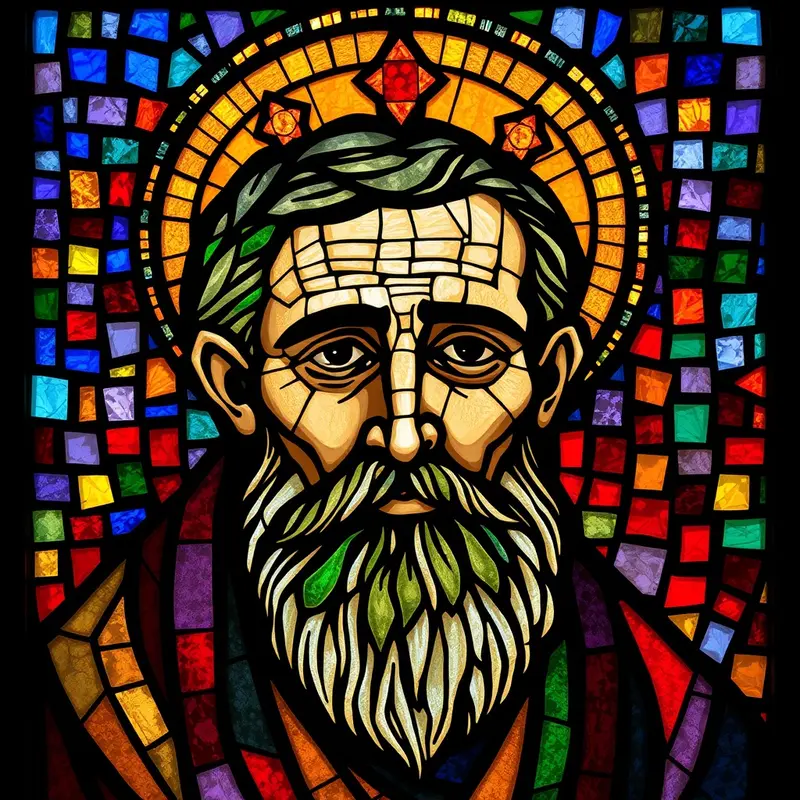
Biography
Mattaniah was a descendant of the family of Bani who was named among the Israelite men who had married foreign wives and subsequently divorced them as part of the religious reforms initiated by Ezra (Ezra 10:37). The clan of Bani had multiple members implicated in the intermarriage crisis, indicating that the practice was deeply embedded within certain family groups. Mattaniah's listing alongside his kinsmen reflects the communal dimension of both the transgression and its remedy. Ezra's reforms required each individual to appear before appointed leaders who examined each case systematically over a three-month period. Mattaniah's participation in this process of confession, separation, and covenant renewal marked him as one who submitted to the authority of God's law as mediated through the priestly leadership of the restored community.
Significance
Mattaniah of Bani's story, though recorded with minimal detail, contributes to the cumulative weight of the Ezra 10 narrative, which emphasizes that genuine repentance must be comprehensive, reaching into every family and clan. The sheer number of individuals listed, spanning priestly families, Levites, and laypeople from numerous clans including Bani, demonstrates that no segment of society was exempt from accountability. Theologically, these detailed lists serve as a testimony that God knows His people by name and calls each one individually to faithfulness. Mattaniah's willingness to participate in a painful but necessary reform reflects the post-exilic community's determination to rebuild not merely the walls and temple of Jerusalem, but the spiritual foundations of their covenant relationship with God.
Verse Appearances (1)
Ezra
References
- Orr, J. (ed.) (1915) The International Standard Bible Encyclopedia. Chicago: Howard-Severance Company. [Public Domain]
- Tyndale House, Cambridge (n.d.) Translators Individualised Proper Names with all References (TIPNR). STEPBible. Available at: https://www.stepbible.org. [CC BY 4.0]
- Wikidata contributors (n.d.) Wikidata. Available at: https://www.wikidata.org. [CC0]
- Church of England (1769) The Holy Bible, Authorized (King James) Version. [Public Domain]