
Mattaniah
Mattaniah, a Levite singer and descendant of Asaph, served during Nehemiah's time (Neh.11.22; 12.35).
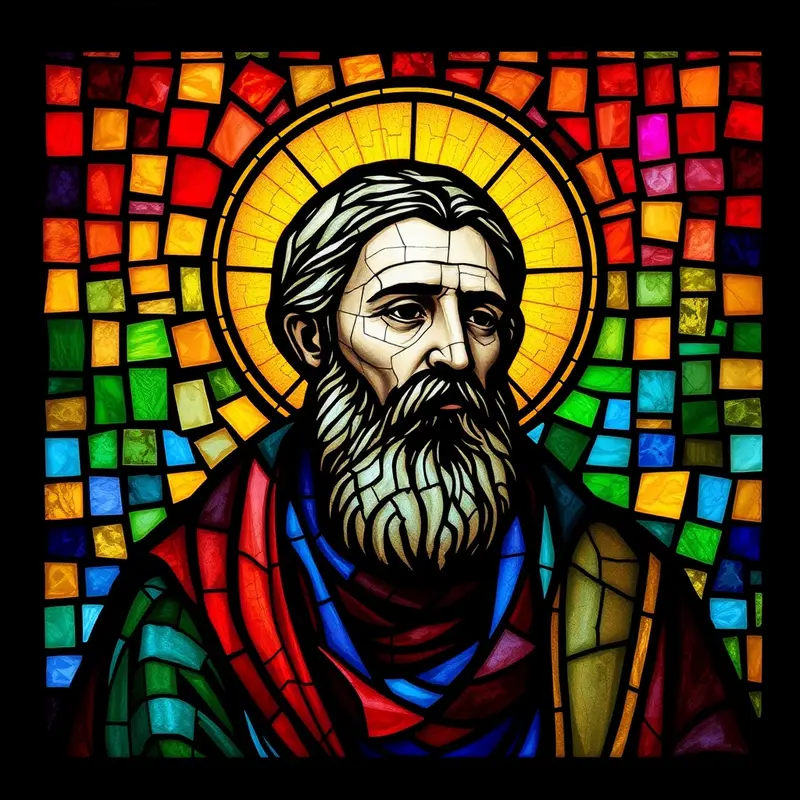
Biography
Mattaniah was a Levitical singer and descendant of Asaph who served in Jerusalem during the governorship of Nehemiah (Nehemiah 11:22; 12:35). He is identified in connection with the oversight of the Levites in Jerusalem, particularly those who served as temple musicians. Nehemiah 11:22 places him within the administrative structure that governed Levitical service in the restored city, while Nehemiah 12:35 includes him in the genealogical record of those who participated in the dedication of Jerusalem's rebuilt walls. As a descendant of Asaph, Mattaniah belonged to the preeminent musical guild in Israelite worship, a lineage that traced its authority back to David's original appointments. His service contributed to the reestablishment of regular liturgical music in the second temple.
Significance
Mattaniah the Asaphite singer contributed to one of the most joyous occasions in post-exilic history: the dedication of Jerusalem's rebuilt walls. Nehemiah organized two great choirs to process along the top of the walls in opposite directions, filling the city with thanksgiving that could be heard from far away (Nehemiah 12:43). Mattaniah's participation in this event connected the celebration to the ancient Asaphite tradition of prophetic worship. His service during Nehemiah's era demonstrates that the restoration of Jerusalem was not merely a construction project but a spiritual renewal in which worship played the central role. The Levitical musicians like Mattaniah ensured that the rebuilt city would be defined not by its walls alone but by the praise ascending from within them.
Verse Appearances (2)
Nehemiah
References
- Orr, J. (ed.) (1915) The International Standard Bible Encyclopedia. Chicago: Howard-Severance Company. [Public Domain]
- Tyndale House, Cambridge (n.d.) Translators Individualised Proper Names with all References (TIPNR). STEPBible. Available at: https://www.stepbible.org. [CC BY 4.0]
- Wikidata contributors (n.d.) Wikidata. Available at: https://www.wikidata.org. [CC0]
- Church of England (1769) The Holy Bible, Authorized (King James) Version. [Public Domain]