
Medan
Medan was a son of Abraham and his concubine Keturah (Gen.25.2; 1Ch.1.32).
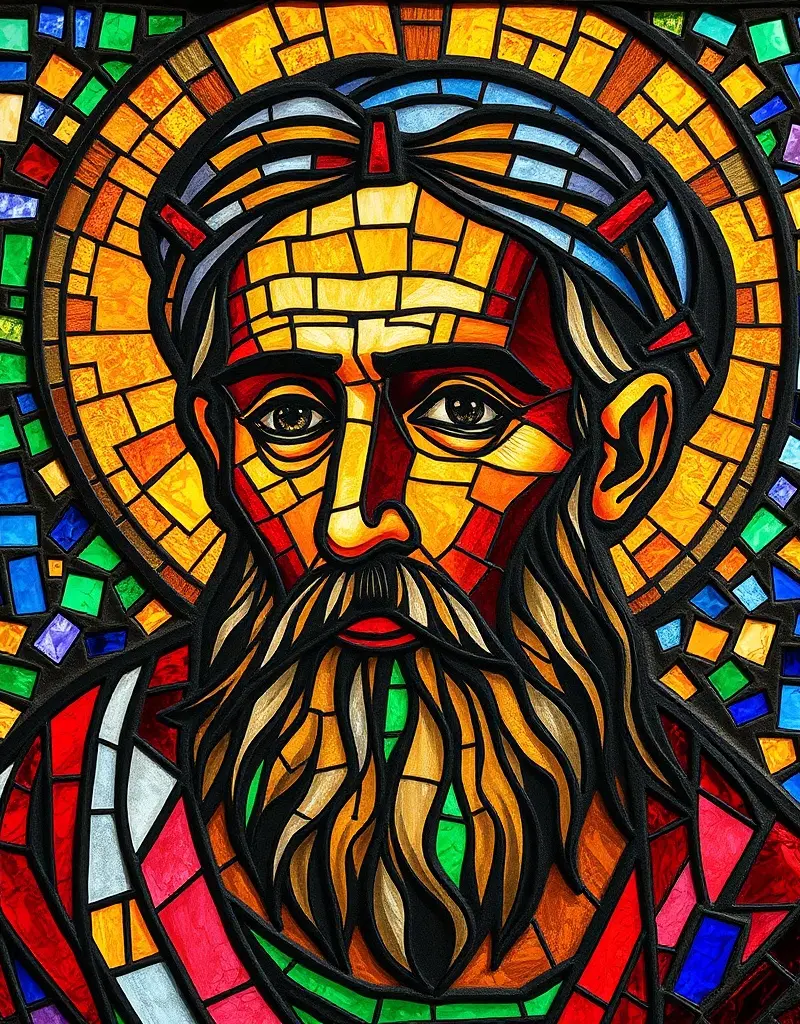
Biography
Medan was one of six sons born to Abraham through his second wife (or concubine) Keturah, whom the patriarch married after Sarah's death (Genesis 25:2; 1 Chronicles 1:32). His brothers included Zimran, Jokshan, Midian, Ishbak, and Shuah. While Abraham designated Isaac as his primary heir and the child of promise, he gave gifts to the sons of Keturah and sent them eastward, away from Isaac, during his own lifetime (Genesis 25:6). Medan is believed to have become the progenitor of an Arabian tribe, though the precise identification of his descendants remains uncertain in the historical and archaeological record. Like several of his brothers, Medan's lineage likely settled in the regions east and south of Canaan, contributing to the broader network of Abrahamic peoples.
Significance
Medan's place among Abraham's sons through Keturah (Genesis 25:2) illustrates the far-reaching scope of God's promise that Abraham would be "the father of many nations" (Genesis 17:4). While the covenant line passed through Isaac alone, Abraham's other sons, including Medan, fulfilled a broader dimension of the divine blessing. His story highlights the distinction between covenant election and general blessing, a theological thread woven throughout the patriarchal narratives. Medan and his brothers remind readers that God's purposes through Abraham extended beyond Israel, encompassing multiple peoples and nations. This broader Abrahamic family foreshadows the universal reach of the gospel, through which all nations would ultimately be blessed through Abraham's ultimate descendant, Jesus Christ.
Verse Appearances (2)
Genesis
1 Chronicles
References
- Orr, J. (ed.) (1915) The International Standard Bible Encyclopedia. Chicago: Howard-Severance Company. [Public Domain]
- Tyndale House, Cambridge (n.d.) Translators Individualised Proper Names with all References (TIPNR). STEPBible. Available at: https://www.stepbible.org. [CC BY 4.0]
- Church of England (1769) The Holy Bible, Authorized (King James) Version. [Public Domain]