
Meshullam
Meshullam, son of Berechiah, helped repair the wall of Jerusalem during Nehemiah's time (Neh.3.4,30; 6.18).
Biography
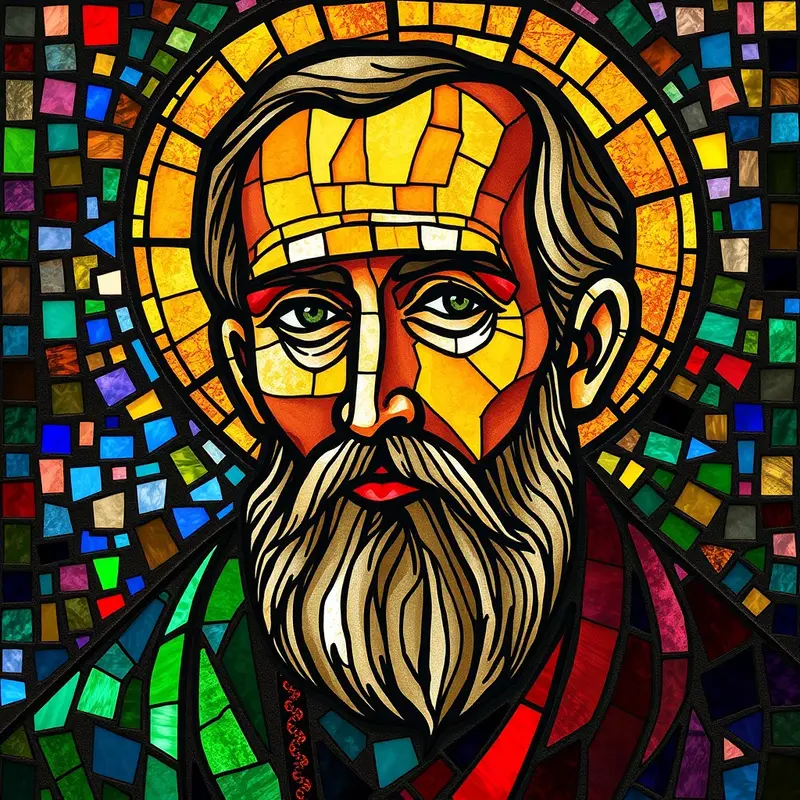
Meshullam, son of Berechiah, was one of the most prominent builders in Nehemiah's wall restoration project, distinguished by his work on two separate sections of the wall (Nehemiah 3:4, 30). His first assignment placed him near the Fish Gate, and his second involved repairs opposite his own living quarters, demonstrating personal investment in the project. Beyond his construction work, Meshullam was connected to the political intrigues of the era through his daughter's marriage to Jehohanan, the son of Tobiah the Ammonite, one of Nehemiah's principal adversaries (Nehemiah 6:18). This family alliance with Tobiah meant that Meshullam's loyalty was divided, and Tobiah used these connections to influence opinion within Jerusalem. Despite these complications, Meshullam's double contribution to the wall project marked him as a significant figure in Jerusalem's physical restoration.
Significance
Meshullam son of Berechiah presents one of the more nuanced character studies in the book of Nehemiah. His dedication to rebuilding two wall sections demonstrates genuine commitment to the community's welfare, yet his family's alliance with Tobiah reveals the complex web of political and social relationships that threatened the restoration project from within. Meshullam's story illustrates how even faithful workers can become entangled in compromising relationships that undermine the very work they support. His narrative warns against the subtle danger of divided loyalties, showing that external enemies often gain influence through internal family connections. Meshullam embodies the tension between outward devotion and relational compromise that challenges covenant communities in every age.
Verse Appearances (1)
Nehemiah
References
- Orr, J. (ed.) (1915) The International Standard Bible Encyclopedia. Chicago: Howard-Severance Company. [Public Domain]
- Tyndale House, Cambridge (n.d.) Translators Individualised Proper Names with all References (TIPNR). STEPBible. Available at: https://www.stepbible.org. [CC BY 4.0]
- Wikidata contributors (n.d.) Wikidata. Available at: https://www.wikidata.org. [CC0]
- Church of England (1769) The Holy Bible, Authorized (King James) Version. [Public Domain]