
Misham
Misham, a Benjamite, was one of the sons of Elpaal mentioned in the genealogy of the tribe of Benjamin.
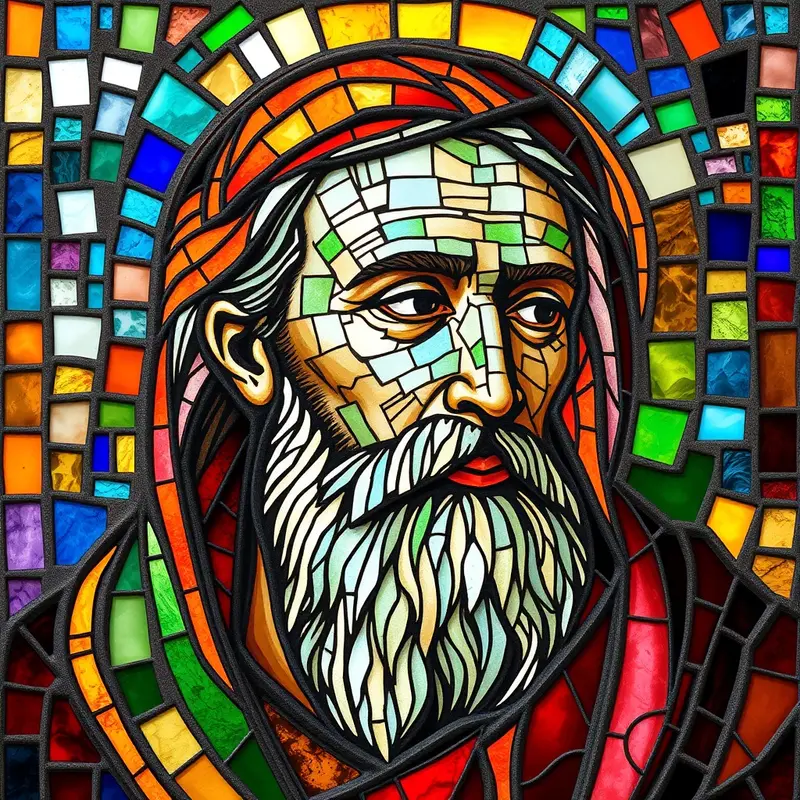
Biography
Misham was a Benjamite who appears in the tribal genealogy of 1 Chronicles 8:12. He was a son of Elpaal, a descendant of Benjamin through the line of Shaharaim. Notably, the text credits Misham and his brothers Eber and Shemed with building or rebuilding the towns of Ono and Lod along with their surrounding villages. These were significant settlements in the Shephelah region west of Benjamin's core territory, indicating that Misham's family expanded Benjamite influence into strategically important areas. The towns of Ono and Lod later reappear in post-exilic records (Ezra 2:33; Nehemiah 7:37), suggesting that the settlements Misham helped establish endured for centuries. His constructive legacy distinguished him among the many names in Benjamin's genealogy as a builder who shaped Israel's settlement geography.
Significance
Misham's role as a builder of Ono and Lod (1 Chronicles 8:12) reveals the practical dimension of fulfilling God's promise to give Israel the land. While generals and kings often receive credit for territorial expansion, Misham represents the builders, settlers, and families who actually inhabited and developed the promised inheritance. The enduring significance of his work is confirmed by the fact that Ono and Lod were still inhabited centuries later when exiles returned from Babylon (Ezra 2:33). Misham's legacy teaches that faithful labor in building communities and infrastructure serves God's long-term purposes, often bearing fruit far beyond one's own lifetime. He exemplifies the biblical principle that godly stewardship of place and resources blesses future generations.
Verse Appearances (1)
1Chr
References
- Orr, J. (ed.) (1915) The International Standard Bible Encyclopedia. Chicago: Howard-Severance Company. [Public Domain]
- Tyndale House, Cambridge (n.d.) Translators Individualised Proper Names with all References (TIPNR). STEPBible. Available at: https://www.stepbible.org. [CC BY 4.0]
- Wikidata contributors (n.d.) Wikidata. Available at: https://www.wikidata.org. [CC0]
- Church of England (1769) The Holy Bible, Authorized (King James) Version. [Public Domain]