
Moab
Moab, the son of Lot by his eldest daughter, was the ancestor of the Moabite people.
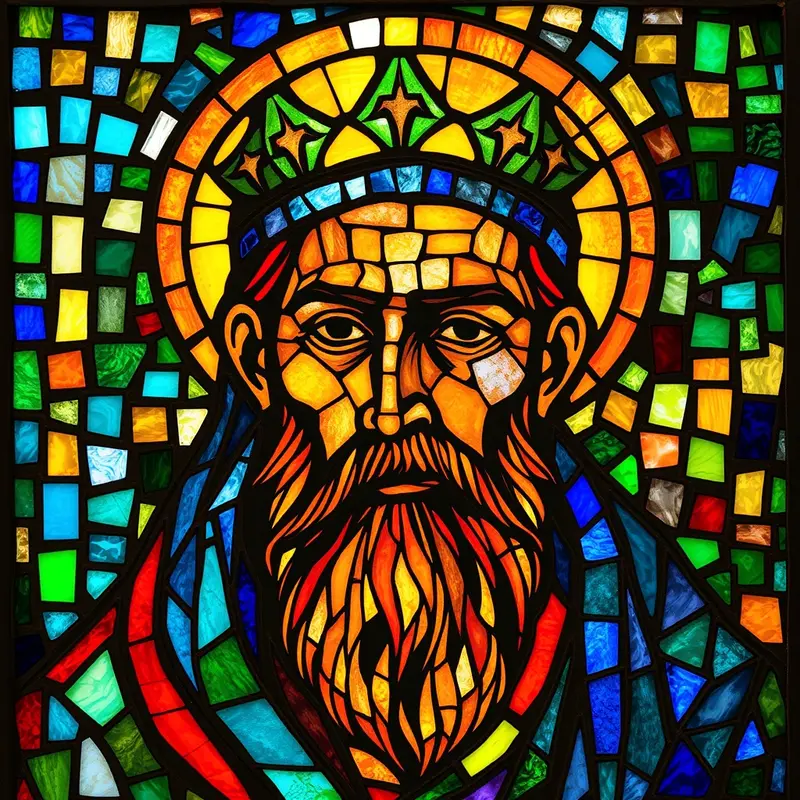
Biography
Moab was born from the incestuous union between Lot and his eldest daughter following the destruction of Sodom and Gomorrah (Genesis 19:30-37). After fleeing to a cave in the mountains, Lot's daughters, believing no men remained to continue their family line, devised a plan to conceive children by their father. The elder daughter bore a son whom she named Moab, a name that in Hebrew bears a resemblance to the phrase "from my father." Moab became the progenitor of the Moabite nation, which settled in the fertile plateau east of the Dead Sea. The Moabites would figure prominently throughout Israel's history, sometimes as adversaries and at other times as unexpected participants in God's larger narrative of redemption.
Significance
Moab's origin story is one of the most unsettling in Scripture, yet God's redemptive purposes weave through even this troubled beginning. Despite Israel's complicated relationship with Moab, including Balak's attempt to curse Israel through Balaam (Numbers 22-24) and periods of conflict during the Judges and monarchy periods, the Moabite line produced Ruth, whose devotion to Naomi and faith in Israel's God led her into the genealogy of King David and ultimately of Jesus Christ (Ruth 4:17; Matthew 1:5). Moab's story powerfully demonstrates that no origin is too tainted for God's grace to redeem, and that divine providence operates through the most unlikely of circumstances.
Verse Appearances (1)
Genesis
References
- Orr, J. (ed.) (1915) The International Standard Bible Encyclopedia. Chicago: Howard-Severance Company. [Public Domain]
- Tyndale House, Cambridge (n.d.) Translators Individualised Proper Names with all References (TIPNR). STEPBible. Available at: https://www.stepbible.org. [CC BY 4.0]
- Wikidata contributors (n.d.) Wikidata. Available at: https://www.wikidata.org. [CC0]
- Church of England (1769) The Holy Bible, Authorized (King James) Version. [Public Domain]