
Mordecai
Mordecai was one of the leaders who returned with Zerubbabel from Babylonian captivity to Jerusalem.
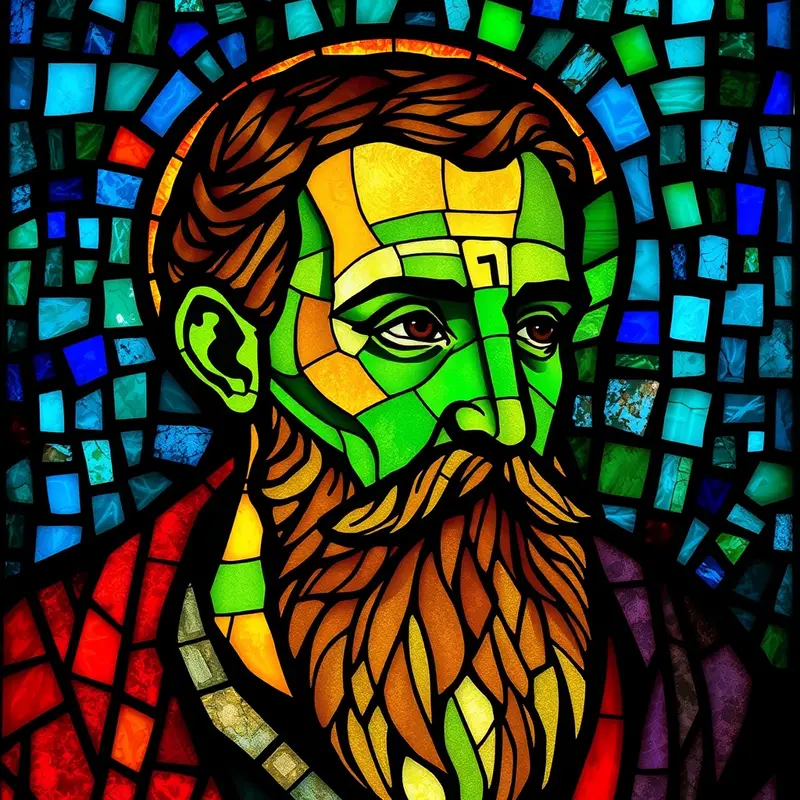
Biography
Mordecai was among the Jewish exiles who made the momentous journey from Babylon back to Jerusalem under the leadership of Zerubbabel, as recorded in the lists of Ezra 2:2 and Nehemiah 7:7. This Mordecai, distinct from the more famous figure of the book of Esther, was counted among the principal leaders who guided the returning community during one of the most significant events in post-exilic Jewish history. The return from Babylon, decreed by Cyrus of Persia around 538 BC, fulfilled the prophetic promises of Jeremiah and Isaiah that God would restore His people to their land. As one of the named leaders of this expedition, Mordecai bore responsibility for the welfare and organization of the returning community during their difficult resettlement.
Significance
This Mordecai represents the faithful remnant who answered God's call to return and rebuild. While many Jews chose the comfort and stability of life in Babylon, those who returned, including leaders like Mordecai, demonstrated a willingness to sacrifice personal security for the sake of covenant faithfulness. His leadership during the restoration period placed him at the intersection of prophetic fulfillment and practical nation-building. The inclusion of his name among the returnees testifies to God's preservation of a faithful remnant through exile, a theme central to the biblical understanding of divine judgment and restoration that would ultimately find its fullest expression in the new covenant.
Verse Appearances (2)
Ezra
Nehemiah
References
- Orr, J. (ed.) (1915) The International Standard Bible Encyclopedia. Chicago: Howard-Severance Company. [Public Domain]
- Tyndale House, Cambridge (n.d.) Translators Individualised Proper Names with all References (TIPNR). STEPBible. Available at: https://www.stepbible.org. [CC BY 4.0]
- Wikidata contributors (n.d.) Wikidata. Available at: https://www.wikidata.org. [CC0]
- Church of England (1769) The Holy Bible, Authorized (King James) Version. [Public Domain]