
Nabal
Nabal, a wealthy man from Carmel, was known for his foolishness and mistreatment of David, which nearly led to his demise.
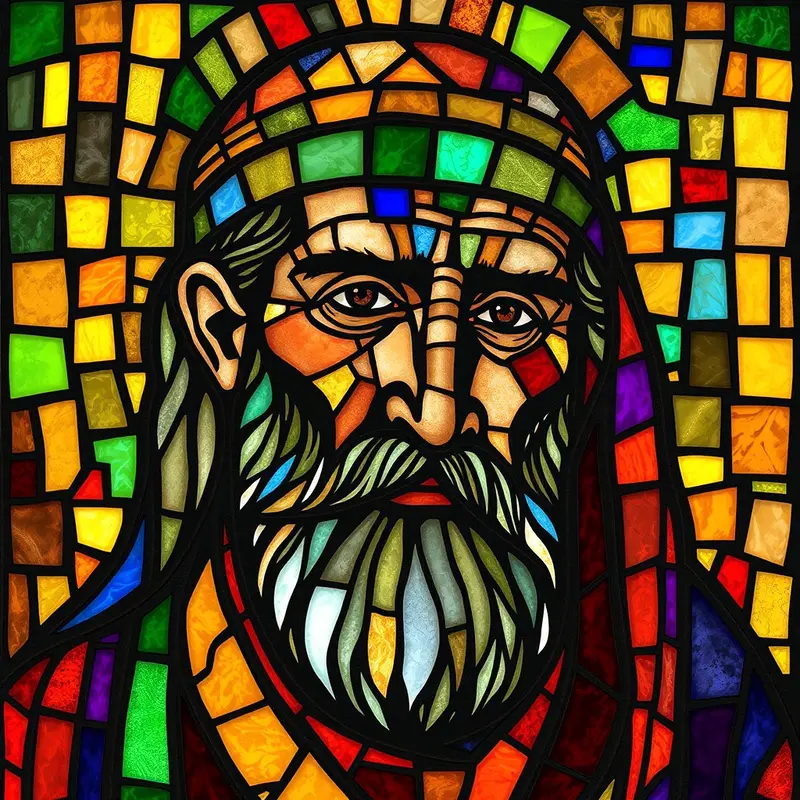
Biography
Nabal was a wealthy landowner from Maon who conducted his sheep-shearing business in Carmel of Judah. His very name means "fool," and Scripture confirms that he lived up to it. When David, then a fugitive from King Saul, sent messengers requesting provisions in return for the protection his men had provided to Nabal's shepherds, Nabal responded with contempt and insults (1 Samuel 25:10-11). Enraged, David mustered four hundred armed men to destroy Nabal's household. Only the swift intervention of Nabal's wife Abigail, who brought generous provisions and appealed to David with wisdom and humility, averted bloodshed. When Abigail told Nabal what had transpired, his heart failed him and he became like a stone. Ten days later the Lord struck Nabal, and he died (1 Samuel 25:37-38). David subsequently married Abigail.
Significance
Nabal's story serves as a cautionary tale about the spiritual dangers of wealth, arrogance, and ingratitude. His refusal to honor the social obligations of hospitality and reciprocity placed his entire household in mortal danger, illustrating how one person's folly can endanger many. Theologically, the narrative reveals God's protective sovereignty over David's journey toward the throne, using Abigail's wisdom to restrain David from sinful vengeance. Nabal's death by divine judgment demonstrates that the Lord defends his anointed and opposes the proud. The contrast between Nabal and Abigail highlights the biblical distinction between foolishness and wisdom, a theme central to Israel's wisdom literature. Nabal ultimately serves the narrative as a foil, magnifying both Abigail's virtue and God's justice.
Verse Appearances (18)
References
- Orr, J. (ed.) (1915) The International Standard Bible Encyclopedia. Chicago: Howard-Severance Company. [Public Domain]
- Tyndale House, Cambridge (n.d.) Translators Individualised Proper Names with all References (TIPNR). STEPBible. Available at: https://www.stepbible.org. [CC BY 4.0]
- Wikidata contributors (n.d.) Wikidata. Available at: https://www.wikidata.org. [CC0]
- Church of England (1769) The Holy Bible, Authorized (King James) Version. [Public Domain]