
Nebuchadnezzar
Nebuchadnezzar II was the powerful Emperor of Babylon who destroyed Jerusalem and exiled the Jews.
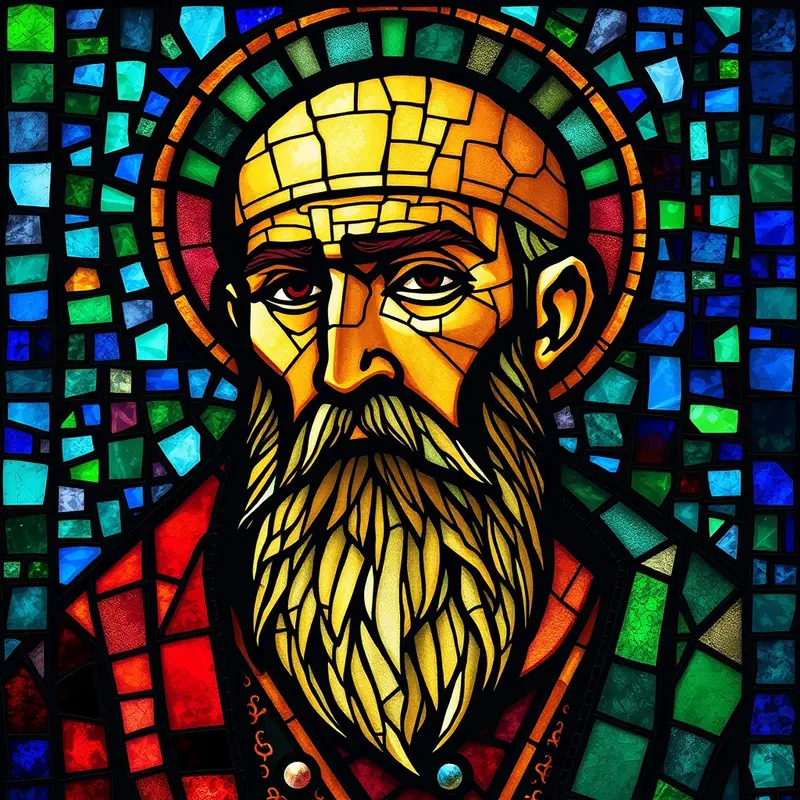
Biography
Nebuchadnezzar II (reigned c. 605-562 BC) was the most powerful ruler of the Neo-Babylonian Empire and one of the most consequential foreign monarchs in the Hebrew Bible. He ascended the throne after defeating Pharaoh Neco's Egyptian forces at the Battle of Carchemish in 605 BC (Jeremiah 46:2). He besieged Jerusalem three times: in 605 BC (deporting Daniel and other nobles), in 597 BC (exiling King Jehoiachin and thousands of Judahites), and finally in 586 BC, when he destroyed Solomon's Temple and razed the city (2 Kings 24-25). The book of Daniel portrays him as a proud sovereign who built magnificent Babylon but was humbled by God through a period of madness, after which he acknowledged the supremacy of the Most High God (Daniel 4). His reign represents the head of gold in Daniel's prophetic statue vision (Daniel 2:38).
Significance
Nebuchadnezzar occupies a unique theological position as both the instrument of God's judgment and a recipient of divine revelation. The prophets Jeremiah and Ezekiel explicitly identify him as God's "servant" commissioned to punish Judah's covenant unfaithfulness (Jeremiah 25:9; 27:6). Yet Daniel's portrayal reveals a more complex figure, a pagan king who receives dreams from God, witnesses miraculous deliverance in the fiery furnace, and ultimately confesses Yahweh's sovereignty after personal humiliation (Daniel 4:34-37). His story powerfully demonstrates that God governs all nations, not just Israel, and can humble the mightiest rulers. Nebuchadnezzar's seven-year madness and restoration prefigure the biblical theme that divine judgment aims not merely at punishment but at restoration through repentance.
Verse Appearances (88)
1Chr
Nehemiah
Esth
Jeremiah
Daniel
References
- Orr, J. (ed.) (1915) The International Standard Bible Encyclopedia. Chicago: Howard-Severance Company. [Public Domain]
- Tyndale House, Cambridge (n.d.) Translators Individualised Proper Names with all References (TIPNR). STEPBible. Available at: https://www.stepbible.org. [CC BY 4.0]
- Wikidata contributors (n.d.) Wikidata. Available at: https://www.wikidata.org. [CC0]
- Church of England (1769) The Holy Bible, Authorized (King James) Version. [Public Domain]