
Nehemiah
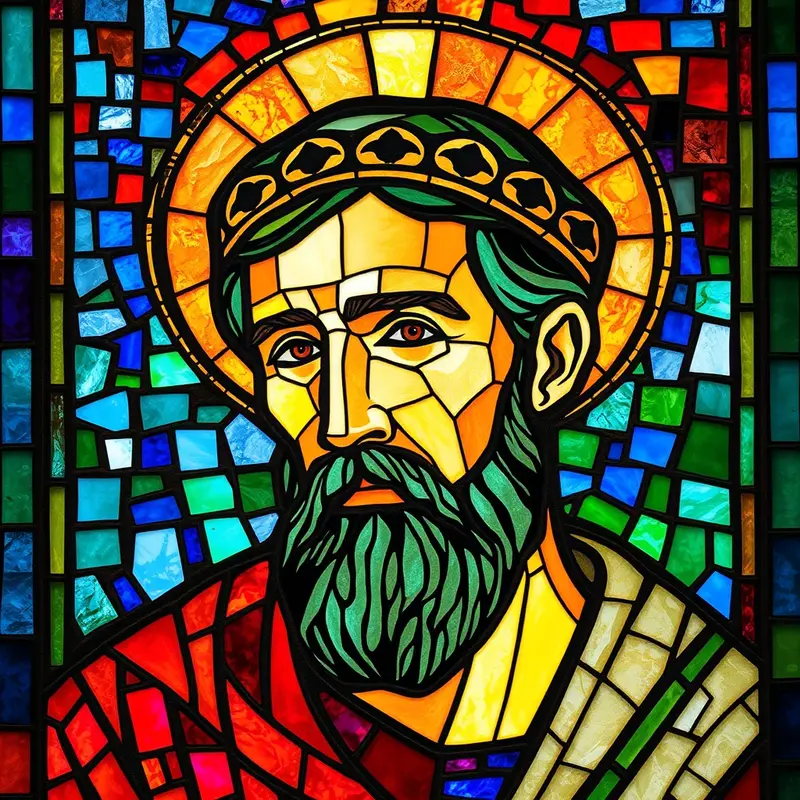
Nehemiah, the son of Hacaliah, served as the governor of Judah and led the rebuilding of Jerusalem's walls in the mid-5th century BC.
Biography
Nehemiah son of Hacaliah served as cupbearer to the Persian King Artaxerxes I before being appointed governor of Judah around 445 BC. Upon hearing that Jerusalem's walls remained in ruins decades after the initial return from exile, Nehemiah was deeply grieved and petitioned the king for permission to rebuild them (Nehemiah 1-2). Arriving in Jerusalem, he conducted a secret nighttime inspection of the walls before rallying the people to the monumental task. Despite fierce opposition from Sanballat, Tobiah, and Geshem, who employed mockery, conspiracy, and intimidation, Nehemiah organized armed workers who built with a tool in one hand and a weapon in the other (Nehemiah 4:17). The walls were completed in a remarkable fifty-two days (Nehemiah 6:15). As governor, he enacted social reforms including canceling debts, combating exploitation of the poor, enforcing Sabbath observance, and addressing intermarriage, all while refusing the governor's food allowance to avoid burdening the people (Nehemiah 5:14-18).
Significance
Nehemiah stands as one of Scripture's premier examples of faith-driven leadership. His life demonstrates the integration of prayer and practical action: every crisis he faced was met first with prayer and then with strategic planning. His rebuilding of Jerusalem's walls fulfilled prophetic expectations and provided the physical and psychological security necessary for the restored community to flourish. Working alongside Ezra the scribe, Nehemiah ensured that spiritual reformation accompanied physical reconstruction. His social justice reforms, defending the poor against exploitation by the wealthy, echo the prophetic tradition of Amos and Micah. Nehemiah's memoir-style narrative, written in the first person, provides a uniquely personal window into faithful governance, teaching that true leadership combines vision, courage, compassion, and unwavering dependence on God.
Verse Appearances (5)
References
- Orr, J. (ed.) (1915) The International Standard Bible Encyclopedia. Chicago: Howard-Severance Company. [Public Domain]
- Tyndale House, Cambridge (n.d.) Translators Individualised Proper Names with all References (TIPNR). STEPBible. Available at: https://www.stepbible.org. [CC BY 4.0]
- Wikidata contributors (n.d.) Wikidata. Available at: https://www.wikidata.org. [CC0]
- Church of England (1769) The Holy Bible, Authorized (King James) Version. [Public Domain]