
Nehushta
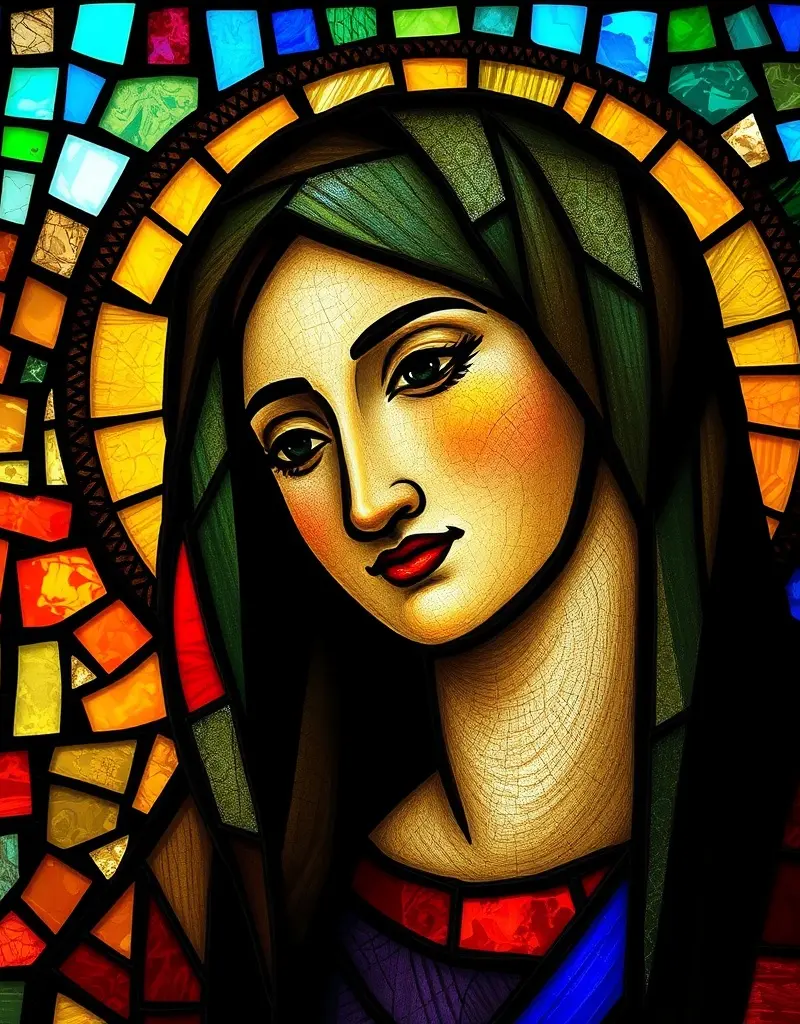
Nehushta, the daughter of Elnathan of Jerusalem, was the mother of King Jehoiachin of Judah.
Biography
Nehushta was a woman of Jerusalem, the daughter of Elnathan, who became the queen mother of Judah through her son Jehoiachin (also known as Coniah or Jeconiah). According to 2 Kings 24:8, she was the wife of King Jehoiakim and the mother of Jehoiachin, who ascended to the throne at age eighteen and reigned for only three months before the Babylonian siege of 597 BC. When Nebuchadnezzar's forces surrounded Jerusalem, Jehoiachin surrendered, and Nehushta was among the first and most prominent captives taken to Babylon (2 Kings 24:12, 15). The prophet Jeremiah specifically referenced her deportation alongside her son, commanding, "Say to the king and to the queen mother: 'Humble yourselves; sit down, for your crowns have come down'" (Jeremiah 13:18). Her exile to Babylon ended the active presence of the Davidic royal household in Jerusalem.
Significance
Nehushta's story illuminates the role of the queen mother (gebirah) in Judah's monarchy, a position of genuine political influence documented throughout Kings and Chronicles. Her deportation alongside Jehoiachin was strategically significant: by removing both the king and the queen mother, Nebuchadnezzar dismantled the royal household's center of power. Jeremiah's specific address to her indicates she held real authority, not merely ceremonial status. Theologically, Nehushta's exile embodies the consequences of cumulative national unfaithfulness. Her father Elnathan had earlier participated in the pursuit of the prophet Uriah (Jeremiah 26:22), suggesting the family's complex entanglement with both royal power and prophetic opposition. Her story reminds readers that even those in positions of privilege are not exempt from the consequences of a nation's covenant-breaking.
Verse Appearances (1)
2 Kings
References
- Orr, J. (ed.) (1915) The International Standard Bible Encyclopedia. Chicago: Howard-Severance Company. [Public Domain]
- Tyndale House, Cambridge (n.d.) Translators Individualised Proper Names with all References (TIPNR). STEPBible. Available at: https://www.stepbible.org. [CC BY 4.0]
- Church of England (1769) The Holy Bible, Authorized (King James) Version. [Public Domain]