
Nimrod
Nimrod was a mighty hunter and ruler who built several notable cities, including Babel and Nineveh.
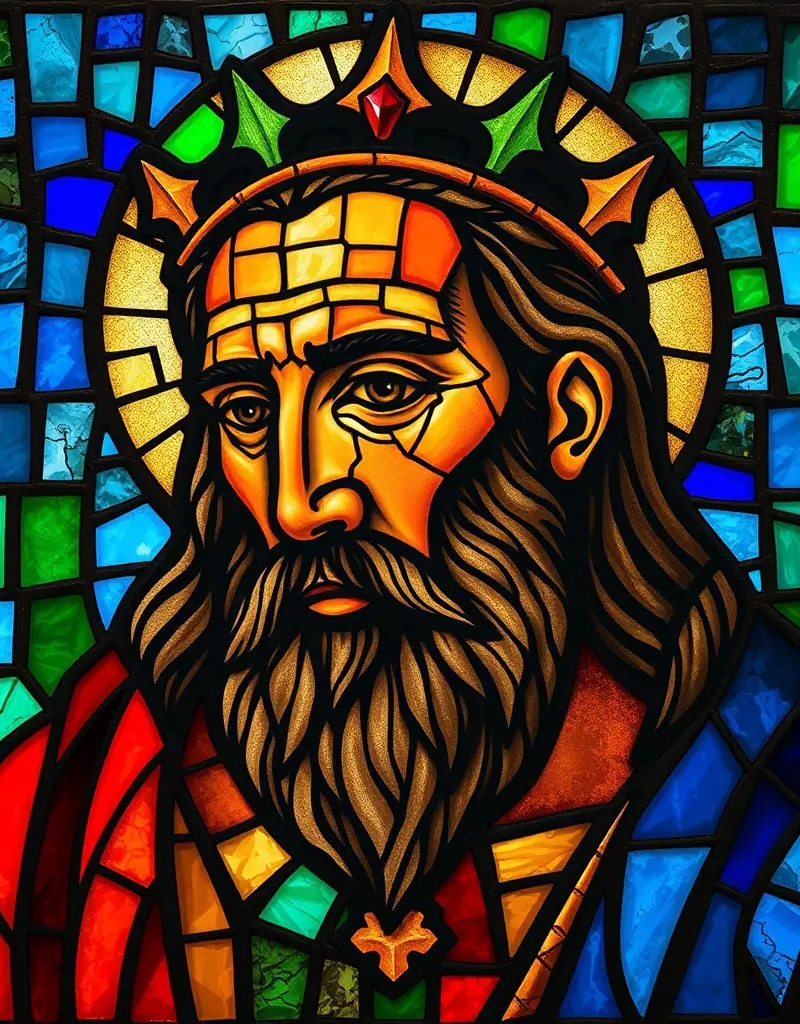
Biography
Nimrod, grandson of Ham and son of Cush, stands as one of the most enigmatic figures in the primeval history of Genesis. Described as 'a mighty hunter before the Lord' (Genesis 10:9), he became a proverbial figure of power and prowess in the ancient world. Nimrod established a kingdom whose core cities included Babel, Erech, Accad, and Calneh in the land of Shinar, which corresponds to ancient Mesopotamia (Genesis 10:10). From there he extended his domain into Assyria, building Nineveh, Rehoboth-Ir, Calah, and Resen (Genesis 10:11-12). These cities would become some of the most significant urban centers in ancient Near Eastern history, with Babel and Nineveh later featuring prominently as symbols of opposition to God throughout the prophetic literature. Nimrod thus represents the first great empire-builder recorded in Scripture.
Significance
Nimrod's significance in biblical theology is profound and largely cautionary. As the builder of Babel, he is traditionally associated with the hubris that led to the Tower of Babel incident (Genesis 11:1-9), where humanity's attempt to make a name for themselves resulted in divine judgment through the confusion of languages. His cities, Babel and Nineveh, become archetypal symbols of human pride and opposition to God throughout Scripture, from Isaiah and Jeremiah to the book of Revelation. Nimrod embodies the tension between human ambition and divine sovereignty, illustrating how earthly power, divorced from submission to God, leads to fragmentation rather than unity. His legacy warns that might and achievement apart from God ultimately serve as instruments of rebellion.
Verse Appearances (4)
References
- Orr, J. (ed.) (1915) The International Standard Bible Encyclopedia. Chicago: Howard-Severance Company. [Public Domain]
- Tyndale House, Cambridge (n.d.) Translators Individualised Proper Names with all References (TIPNR). STEPBible. Available at: https://www.stepbible.org. [CC BY 4.0]
- Church of England (1769) The Holy Bible, Authorized (King James) Version. [Public Domain]