
Obadiah
Obadiah was one of the leaders who returned to Jerusalem from Babylonian exile with Ezra.
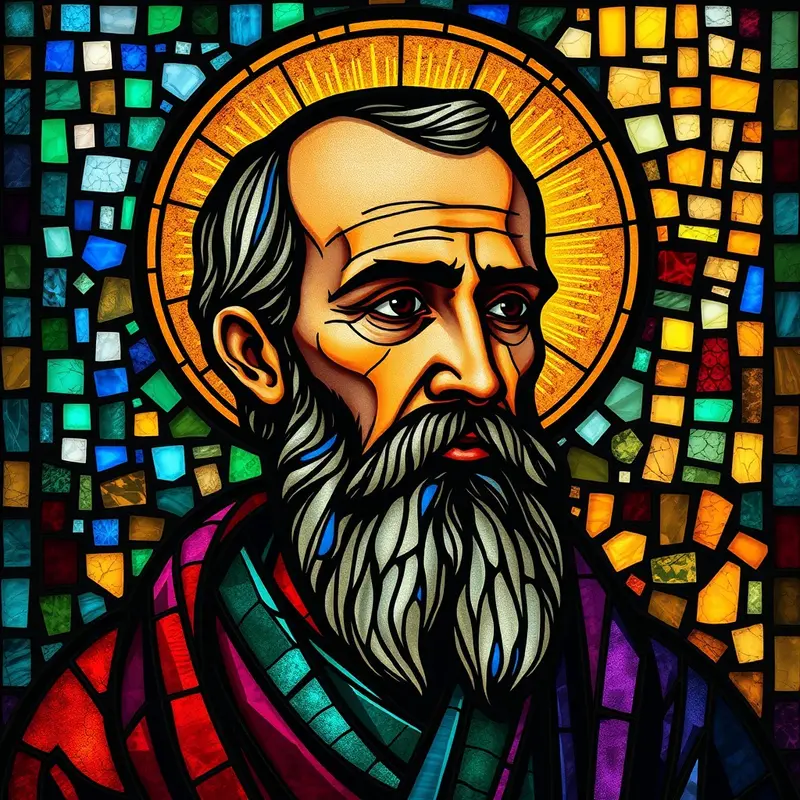
Biography
Obadiah was among the leaders who returned from Babylonian exile to Jerusalem under the direction of Ezra, as recorded in Ezra 8:9. He is identified as a descendant of Joab, and he led two hundred and eighteen men of his clan on the perilous journey from Babylon back to the promised land. This return, occurring during the reign of the Persian king Artaxerxes, represented a second major wave of repatriation following the earlier return under Zerubbabel. The journey itself covered approximately nine hundred miles through dangerous territory, and Ezra's company notably traveled without military escort, trusting in God's protection. Obadiah's willingness to uproot his family and community from established lives in Babylon to rebuild Jerusalem demonstrated deep faith in God's promises of restoration.
Significance
Obadiah's leadership during the return from exile embodies the biblical theme of restoration and covenant faithfulness. By choosing to leave the relative security of Babylonian settlement to face the uncertainties of rebuilding a devastated homeland, he and his companions acted on the prophetic promises of return articulated by Jeremiah and Isaiah. His role as a clan leader responsible for over two hundred men underscores the communal dimension of Israel's restoration: it required not isolated individuals but organized families and clans willing to sacrifice together. Obadiah's journey with Ezra prefigures the greater exodus that Scripture anticipates, where God gathers His scattered people from all nations and leads them home.
Verse Appearances (3)
1Chr
Nehemiah
References
- Orr, J. (ed.) (1915) The International Standard Bible Encyclopedia. Chicago: Howard-Severance Company. [Public Domain]
- Tyndale House, Cambridge (n.d.) Translators Individualised Proper Names with all References (TIPNR). STEPBible. Available at: https://www.stepbible.org. [CC BY 4.0]
- Wikidata contributors (n.d.) Wikidata. Available at: https://www.wikidata.org. [CC0]
- Church of England (1769) The Holy Bible, Authorized (King James) Version. [Public Domain]